On-line: гостей 1. Всего: 1 [подробнее..]
АвторСообщение
Прильнувший к микроскопу


Пост N: 9305
Рейтинг: 3
ссылка на сообщение  Отправлено: 03.07.22 18:18. Заголовок: Chapter Ideas


A collection of new chapter ideas proposed by foreign members in English.
These are already present, thanks to JOrnitho:
1. Easter Island - bestiary
2. Fernando de Noronha - bestiary
3. Marvellous Forest - about Atlantic forest - bestiary
4. A Trip across Highland - about a trip of Andean antelope, bestiary
5. A War for the Hollow - about a "war" against killer bees in South America, bestiary
6. Andaman and Nicobar islands - bestiary
7. A Stone Condominimum - about a sociable hornero and its parasites and enemies, bestiary

Спасибо: 0 
Профиль Цитата Ответить
Ответов - 158 , стр: 1 2 3 4 5 6 7 8 All [только новые]


moderator


Пост N: 1473
Откуда: Таллапнуджир, всякие ЛЮБАВЫ,ХВОСТЕНЫ, и т.д.
Рейтинг: 3
ссылка на сообщение  Отправлено: 23.06.23 08:25. Заголовок: wovoka absolutely n..


wovoka

 цитата:
absolutely nocturnal social bees


I think this idea is realistic, because niche of diurnal pollinators is already full and has many concurence. So, some bees can escape from it to nocturnal niches.
But what flowers they will pollinate? Dragonfruit-like cacti that open theit flowers only at night?

Спасибо: 0 
Профиль Цитата Ответить
moderator


Пост N: 5333
Откуда: Республика Лакота
Рейтинг: 9
ссылка на сообщение  Отправлено: 23.06.23 14:46. Заголовок: лягушка пишет: But ..


лягушка пишет:

 цитата:
But what flowers they will pollinate?


Now nocturnal bees Megalopta pollinates Paullinia cupana, which blooms and at the day and at the night, and the scents of its flowers are different in the day and in the night to attract different pollinators (diurnal and nocturnal).
https://www.ncbi.nlm.nih.gov/pmc/articles/PMC6080595/

Also they pollinating Spondias mombin ( it blooms in morning twilight). This is an interesting plant because is absolutely edible: fruits, leaves, roots, shoots, sap. Especially you can drink sap from the roots if you have no water nearby.

I think, both plants will be good food for monkeys.

Спасибо: 0 
Профиль Цитата Ответить


Пост N: 787
Рейтинг: 2
ссылка на сообщение  Отправлено: 23.06.23 15:22. Заголовок: wovoka пишет: Now n..


wovoka пишет:

 цитата:
Now nocturnal bees Megalopta pollinates Paullinia cupana, which blooms and at the day and at the night, and the scents of its flowers are different in the day and in the night to attract different pollinators (diurnal and nocturnal).


They could have evolved to have a stronger scent during the night, like the Cestrum nocturnum.

Спасибо: 0 
Профиль Цитата Ответить
moderator


Пост N: 5335
Откуда: Республика Лакота
Рейтинг: 9
ссылка на сообщение  Отправлено: 23.06.23 16:24. Заголовок: JOrnitho пишет: The..


JOrnitho пишет:

 цитата:
They could have evolved to have a stronger scent during the night, like the Cestrum nocturnum.


I think it's possible.

лягушка пишет:

 цитата:
Dragonfruit-like cacti that open theit flowers only at night?


There is in Brazil nightblooming Dragonfruit (Hylocereus undatus or just Nightblooming cactus), but it's areal does not suit us.
https://www.gbif.org/species/3084394

We can make social nocturnal Megalopta in Atlantic forest to pollinate in the night this cactus.

Спасибо: 0 
Профиль Цитата Ответить


Пост N: 788
Рейтинг: 2
ссылка на сообщение  Отправлено: 23.06.23 18:50. Заголовок: wovoka пишет: We ca..


wovoka пишет:

 цитата:
We can make social nocturnal Megalopta in Atlantic forest to pollinate in the night this cactus.


There could be another species living in the Atlantic forest.
Also, Plecturocebus moloch already are colorful primates. How do you think that we could make their descendants' colors more impressive?

Спасибо: 0 
Профиль Цитата Ответить
moderator


Пост N: 5336
Откуда: Республика Лакота
Рейтинг: 9
ссылка на сообщение  Отправлено: 23.06.23 20:23. Заголовок: JOrnitho пишет: The..


JOrnitho пишет:

 цитата:
There could be another species living in the Atlantic forest.


Another species of bees? Megalopta has a lot of species and they all are all nocturnal as I no. So yes, it will be another species of Megalopta in the Atlantic forest.
But I should look for more information about of the descendents of both species of Megalopta: from mata secas and from Atlantic forest.

JOrnitho пишет:

 цитата:
How do you think that we could make their descendants' colors more impressive?


I think, we should make it

Спасибо: 0 
Профиль Цитата Ответить


Пост N: 789
Рейтинг: 2
ссылка на сообщение  Отправлено: 23.06.23 22:48. Заголовок: wovoka пишет: I thi..


wovoka пишет:

 цитата:
I think, we should make it


Yes! Maybe they could develop some sexual dimorphism, with males being more colorful. Maybe they attract the attention of predators while the dull colored females flee.

Спасибо: 0 
Профиль Цитата Ответить
moderator


Пост N: 5337
Откуда: Республика Лакота
Рейтинг: 9
ссылка на сообщение  Отправлено: 24.06.23 12:50. Заголовок: JOrnitho пишет: Yes..


JOrnitho пишет:

 цитата:
Yes! Maybe they could develop some sexual dimorphism, with males being more colorful. Maybe they attract the attention of predators while the dull colored females flee.


Good idea!

Спасибо: 0 
Профиль Цитата Ответить
moderator


Пост N: 5341
Откуда: Республика Лакота
Рейтинг: 9
ссылка на сообщение  Отправлено: 25.06.23 14:48. Заголовок: JOrnitho, what do yo..


JOrnitho, what do you think about the beginning https://sivatherium.borda.ru/?1-6-1687693434682-00000303-000-0-0#008
Sorry everything is in Russian.

Will be grateful for the ideas for the chapter

Спасибо: 0 
Профиль Цитата Ответить


Пост N: 790
Рейтинг: 2
ссылка на сообщение  Отправлено: 25.06.23 15:11. Заголовок: wovoka пишет: JOrni..


wovoka пишет:

 цитата:
JOrnitho, what do you think about the beginning https://sivatherium.borda.ru/?1-6-1687693434682-00000303-000-0-0#008
Sorry everything is in Russian.


I like it! About your idea of a lemur-like mongoose, I think that you could make it more like the honey-mongoose from Neocene Madagascar. This animal could be more fruit eating and perhaps honey eating, while having a squirrel like appearance.

Спасибо: 0 
Профиль Цитата Ответить
moderator


Пост N: 5343
Откуда: Республика Лакота
Рейтинг: 9
ссылка на сообщение  Отправлено: 25.06.23 16:54. Заголовок: JOrnitho пишет: I l..


JOrnitho пишет:

 цитата:
I like it! About your idea of a lemur-like mongoose, I think that you could make it more like the honey-mongoose from Neocene Madagascar. This animal could be more fruit eating and perhaps honey eating, while having a squirrel like appearance.


Honey-eating mongoose can be relative species. But he will be competitor of Black jaguape how can we share their econiches?

Спасибо: 0 
Профиль Цитата Ответить


Пост N: 792
Рейтинг: 2
ссылка на сообщение  Отправлено: 25.06.23 20:18. Заголовок: wovoka пишет: Honey..


wovoka пишет:

 цитата:
Honey-eating mongoose can be relative species. But he will be competitor of Black jaguape how can we share their econiches?


Good point. We can leave the mongoose as a fruit eater, perhaps even drinking nectar occasionally. It could also visit hives that the jaguape assaulted to see if they can find some honey left behind.

Спасибо: 0 
Профиль Цитата Ответить
moderator


Пост N: 5518
Откуда: Республика Лакота
Рейтинг: 9
ссылка на сообщение  Отправлено: 24.07.23 00:30. Заголовок: JOrnitho, I'm to..


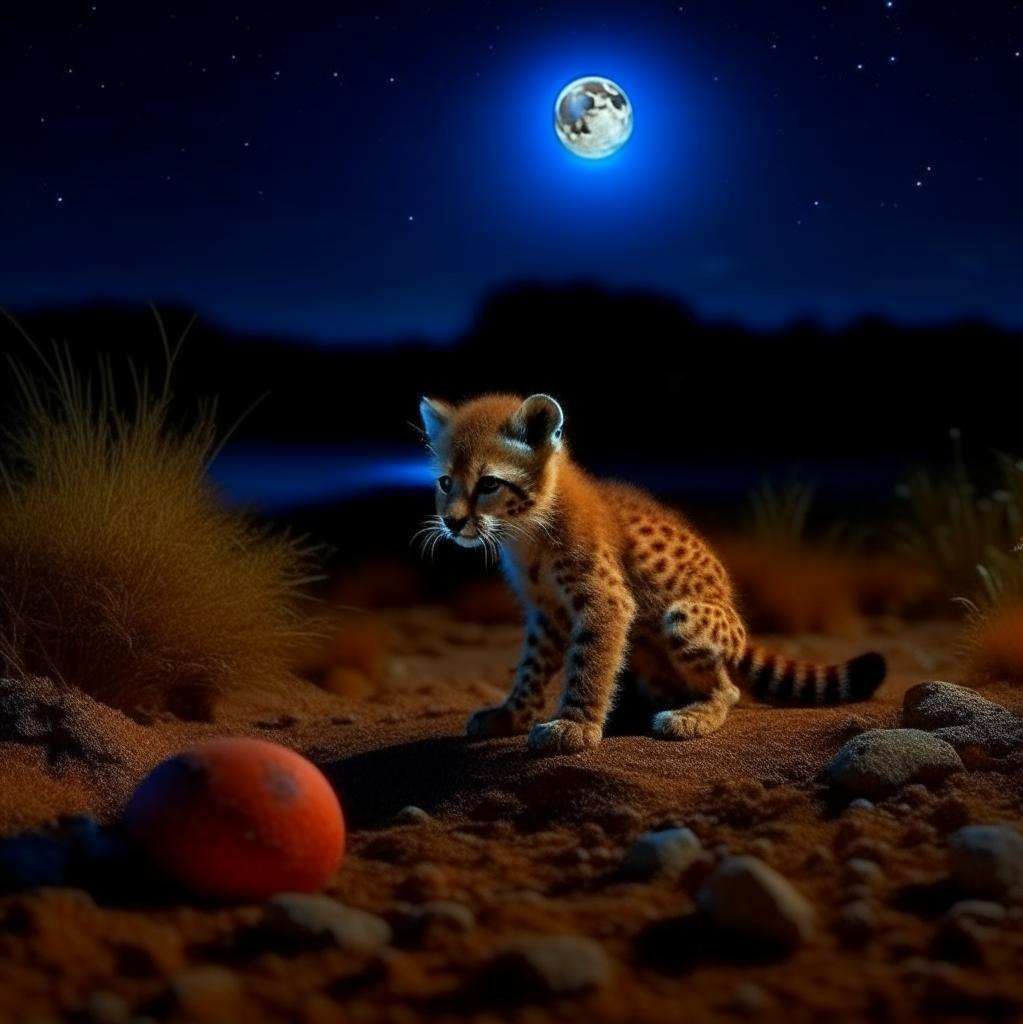
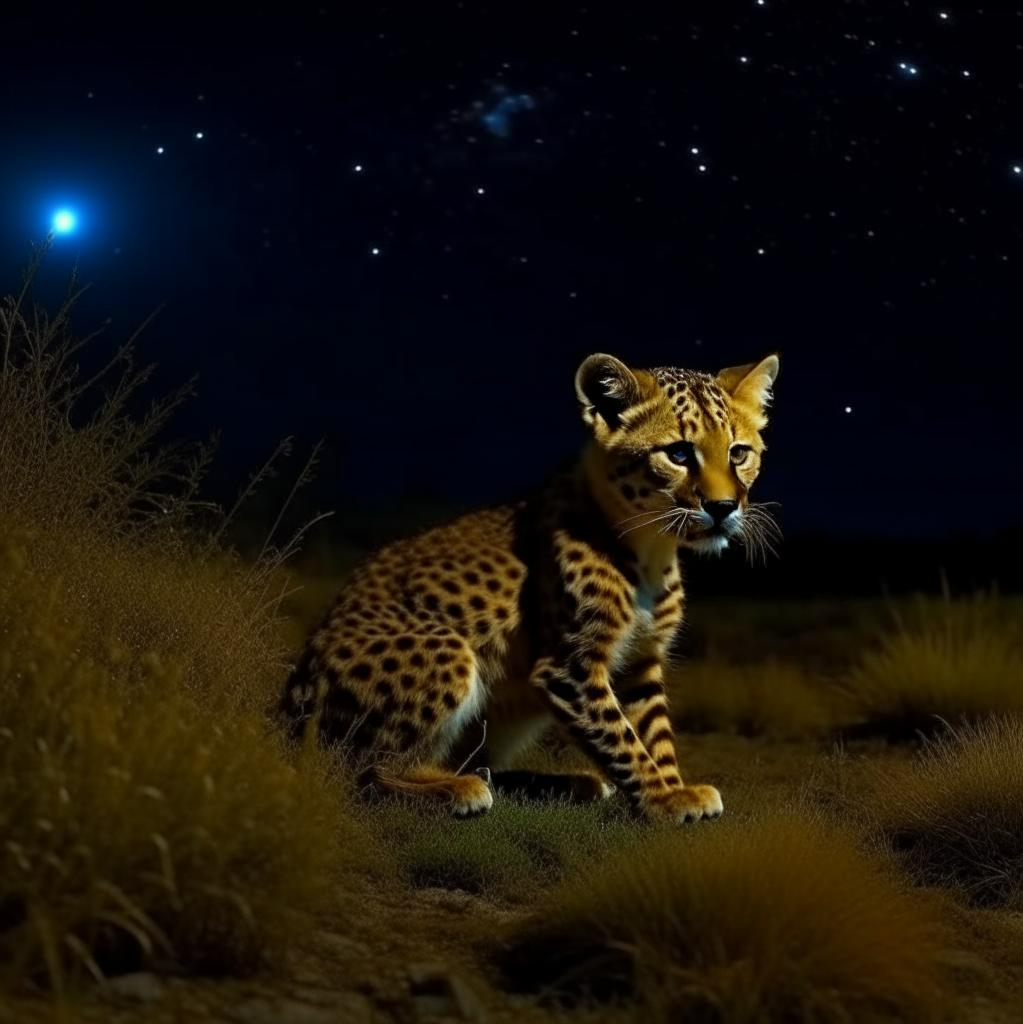
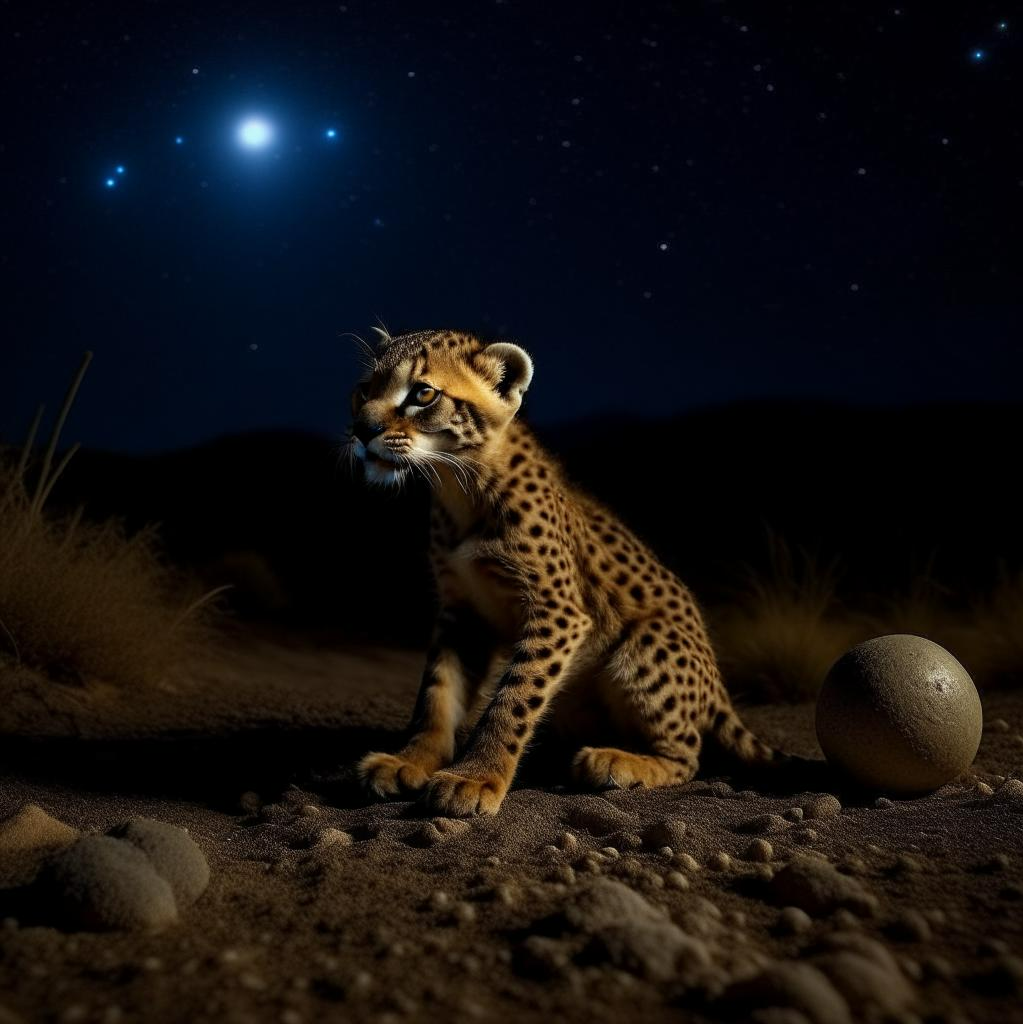
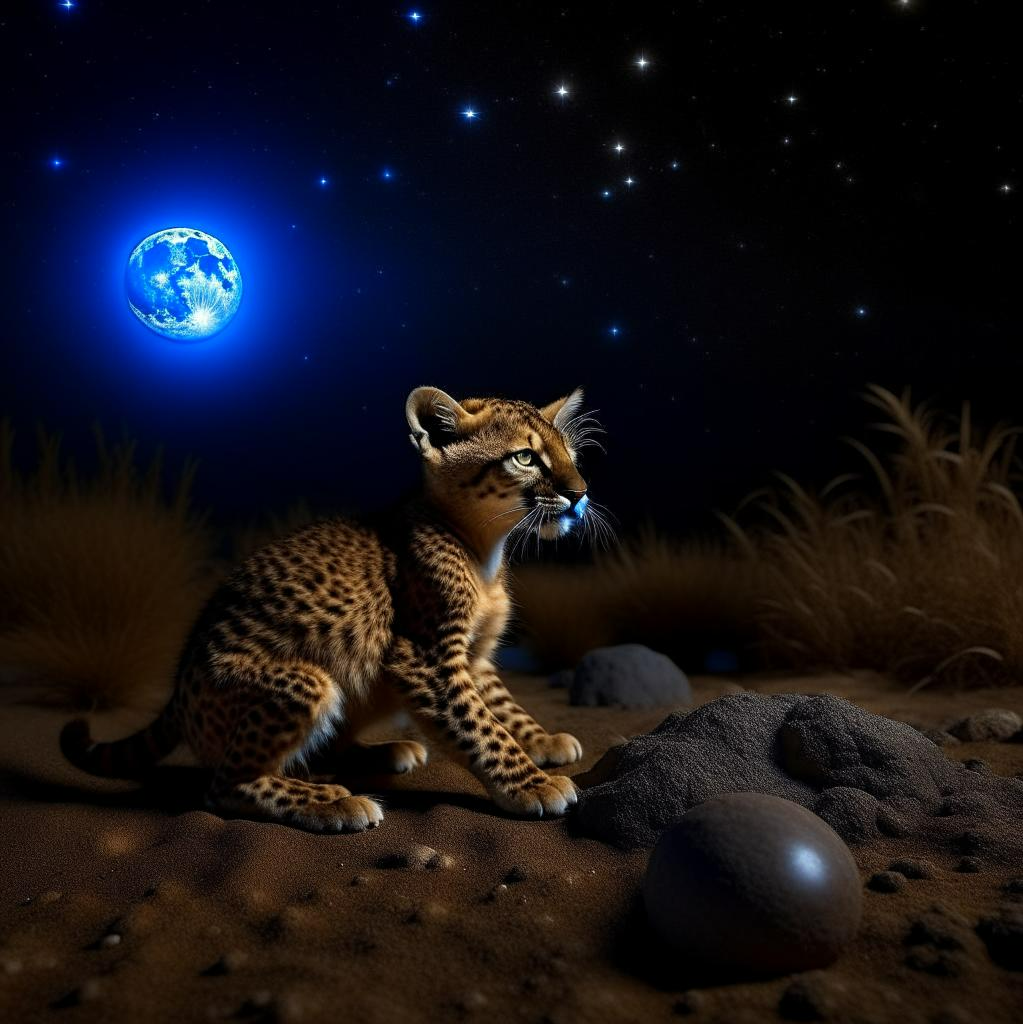
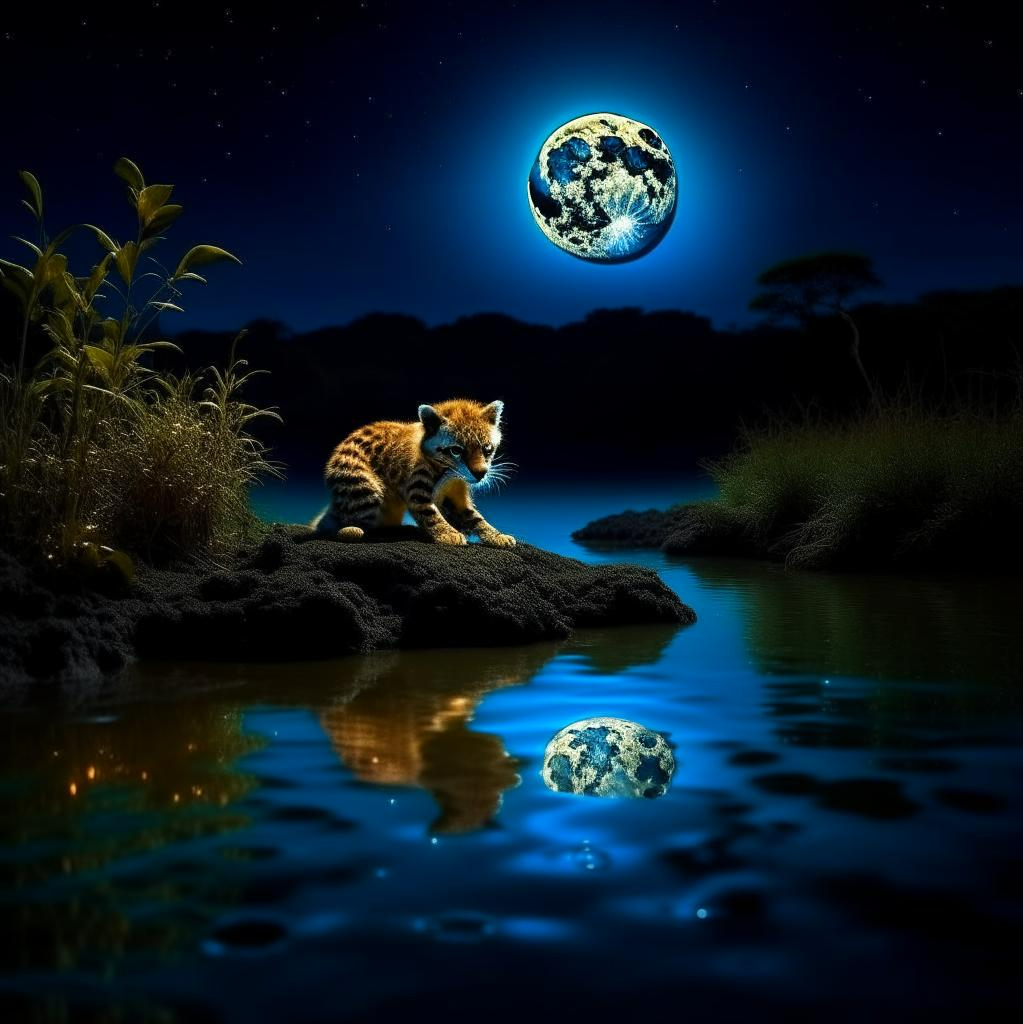
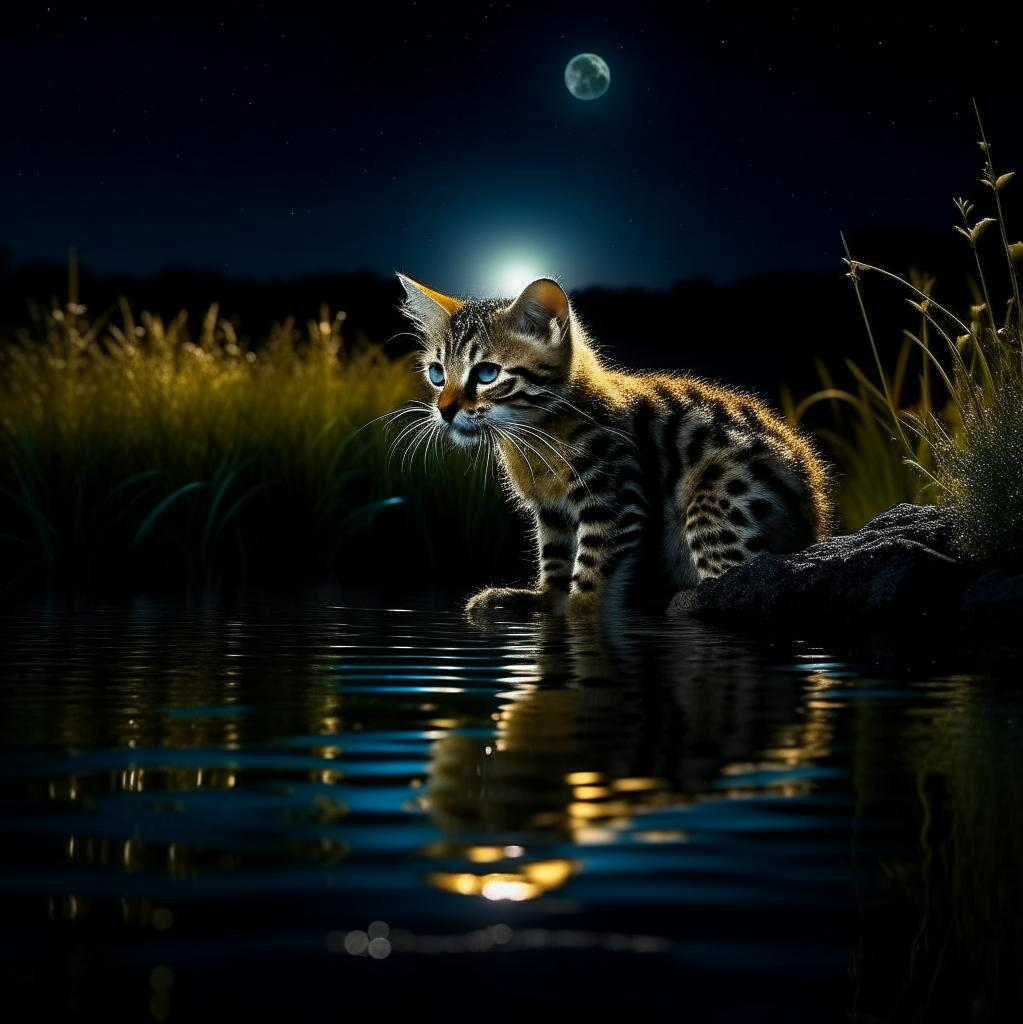
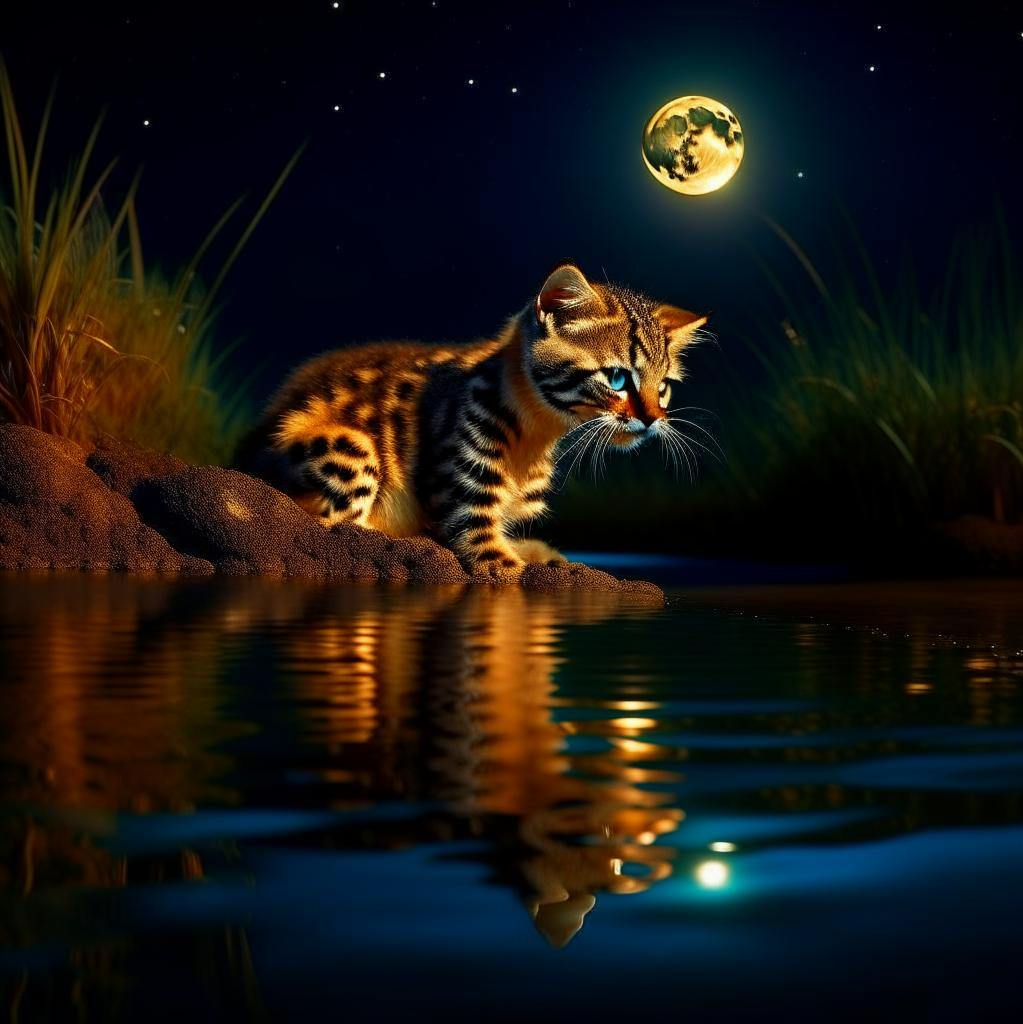
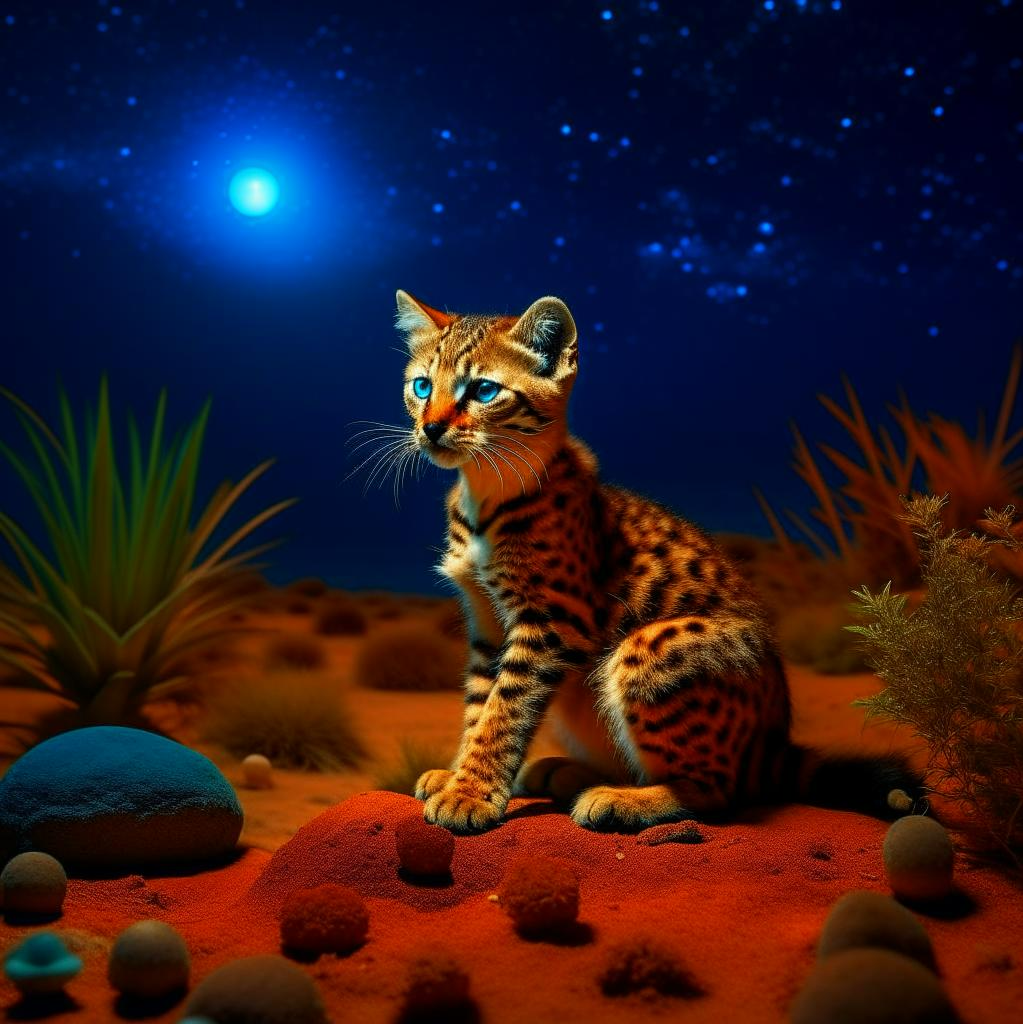
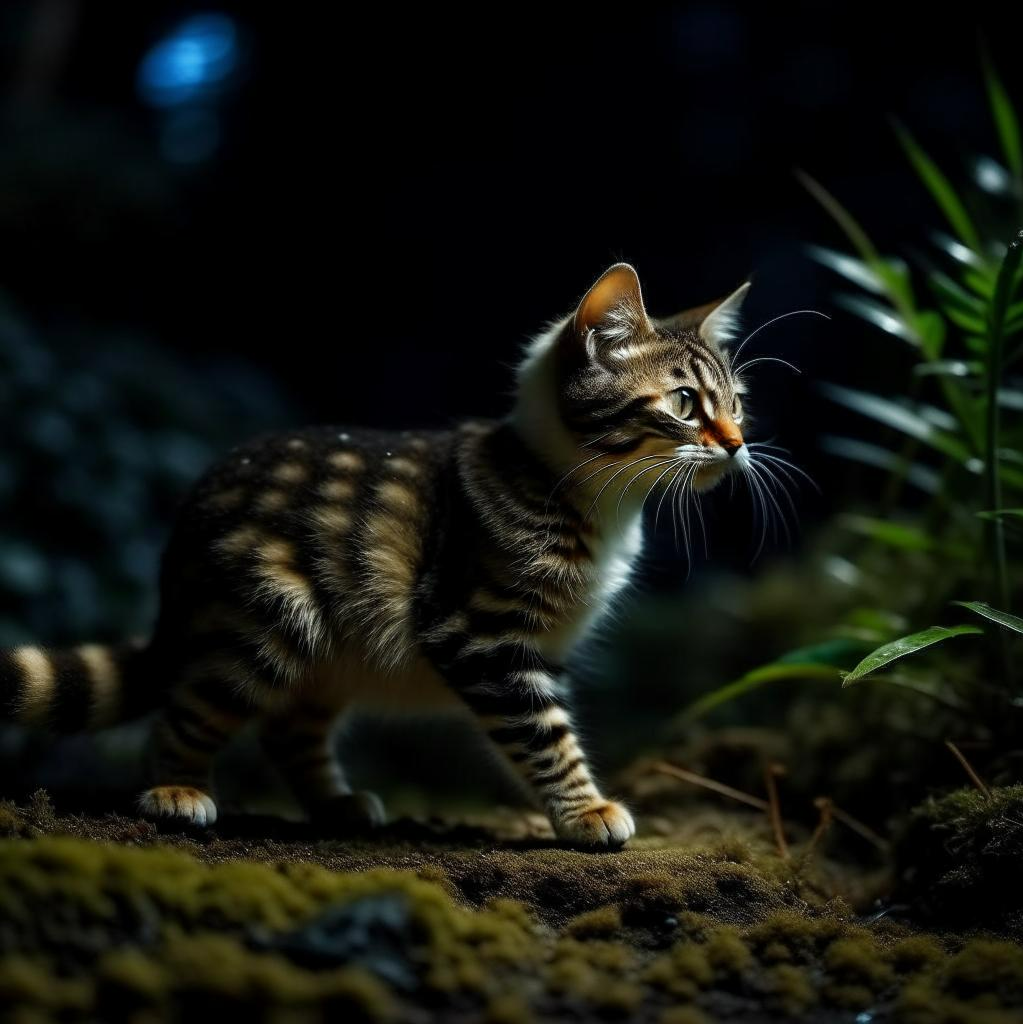
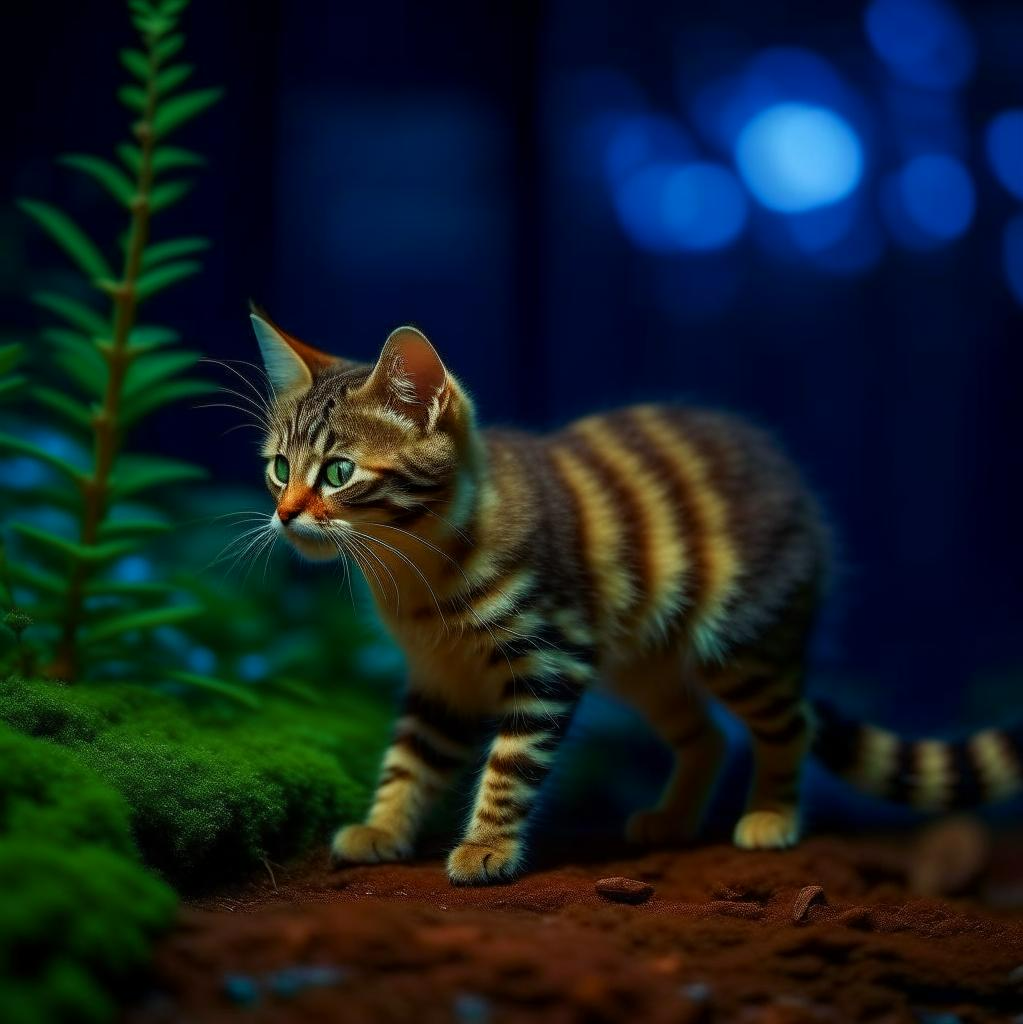
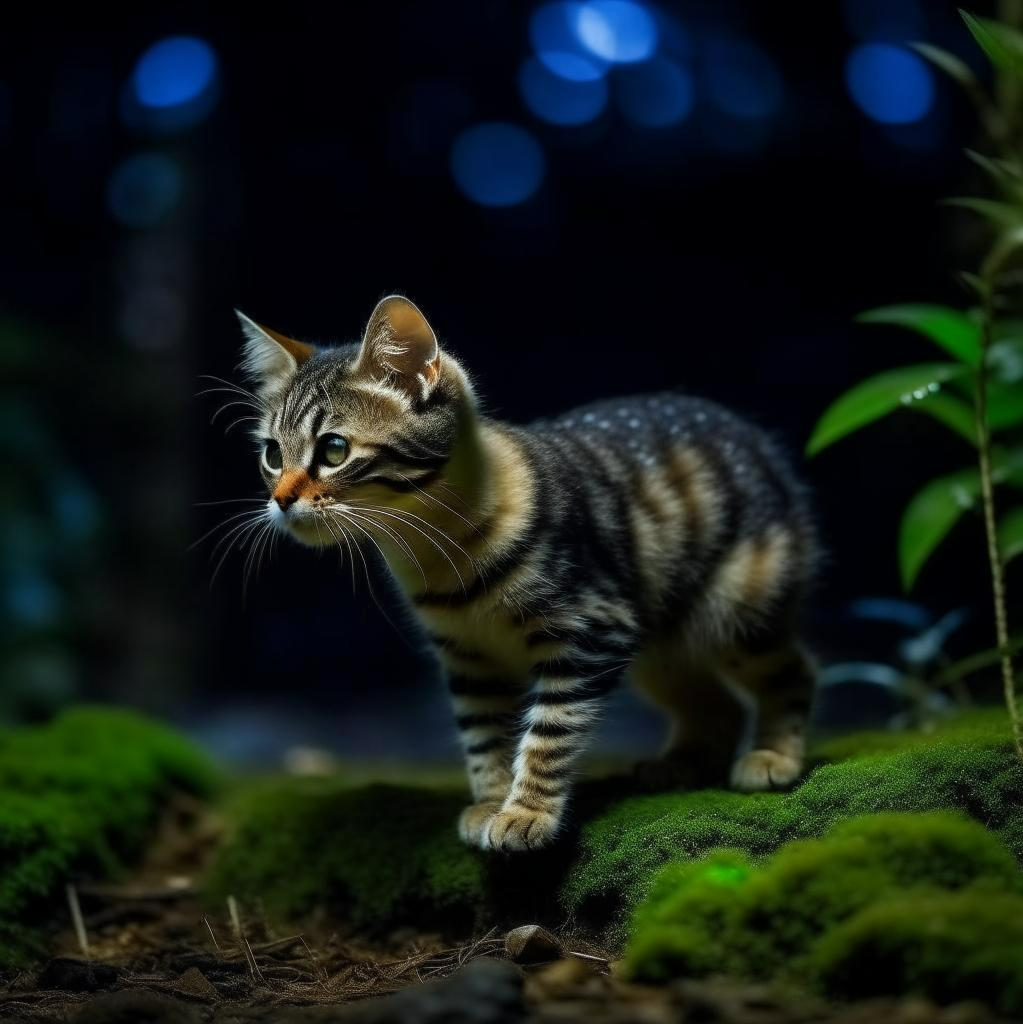
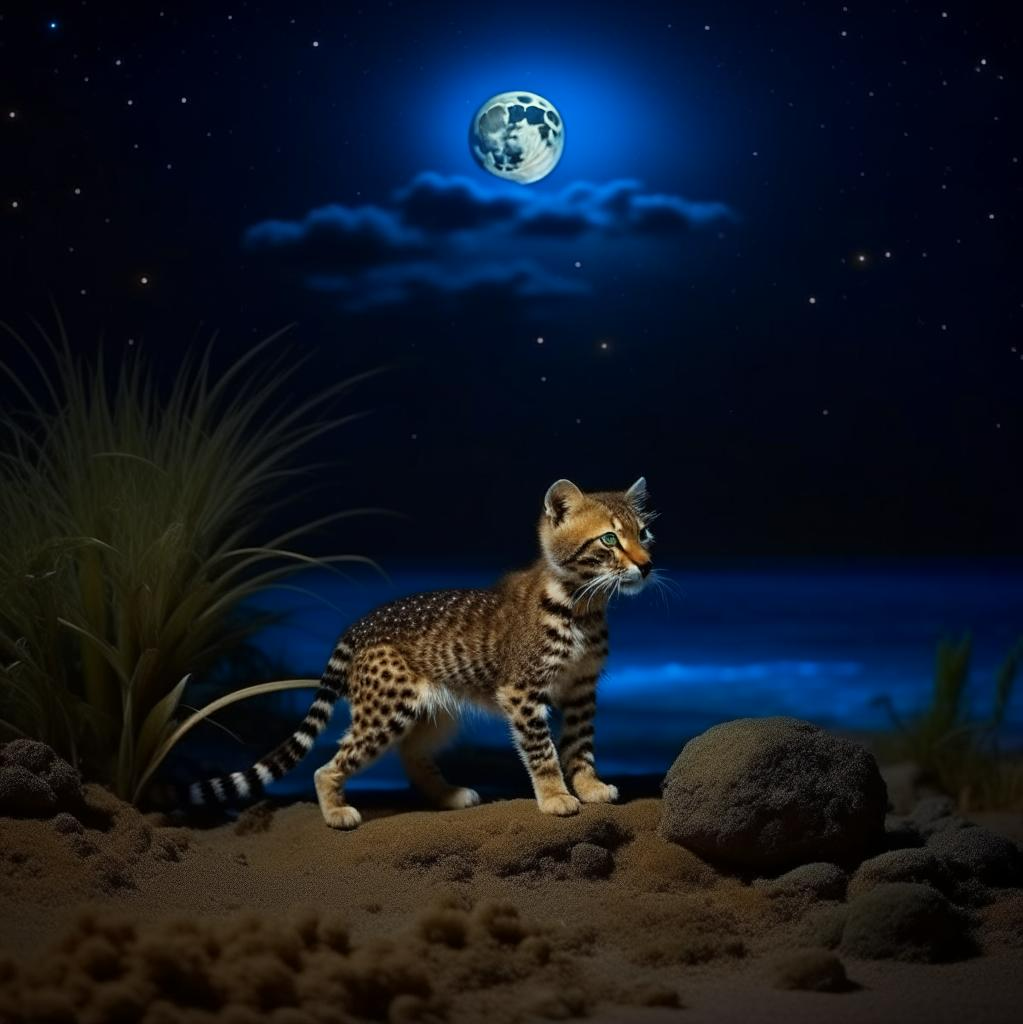
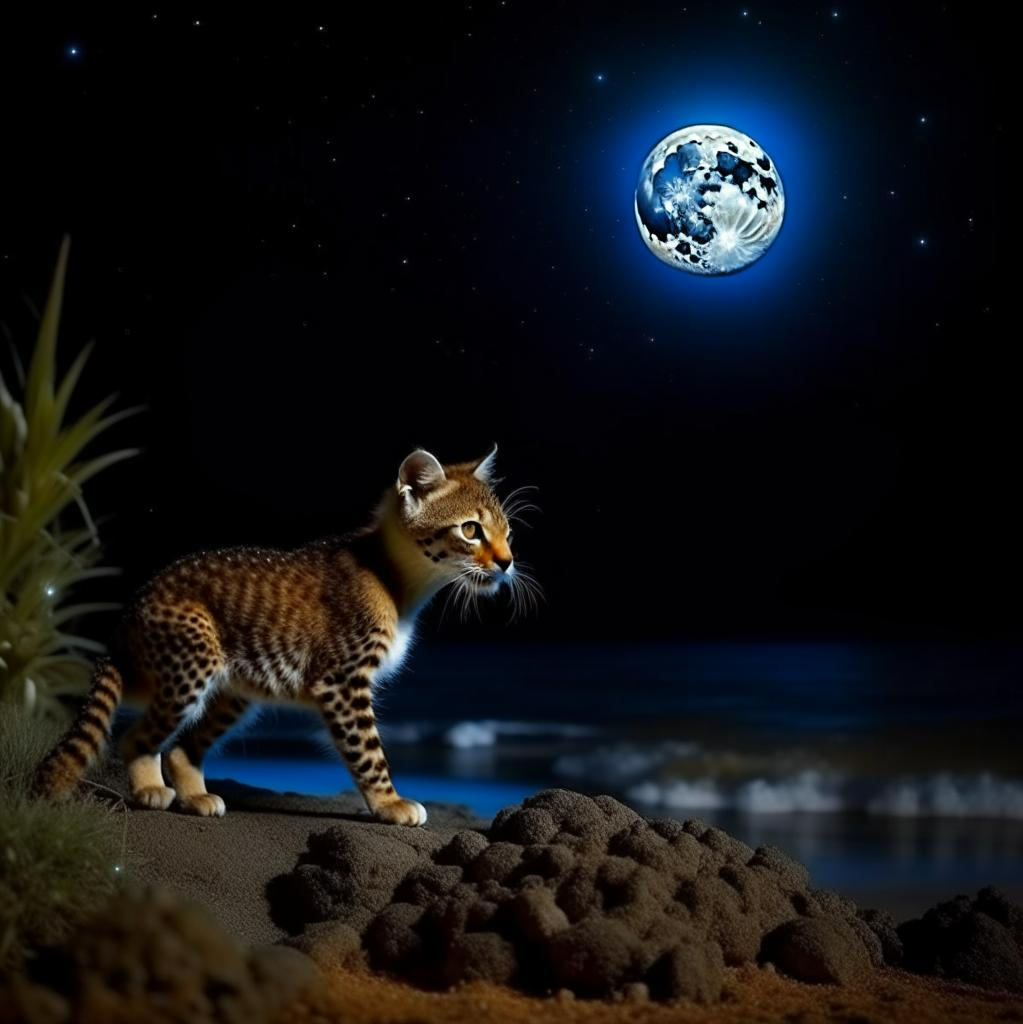
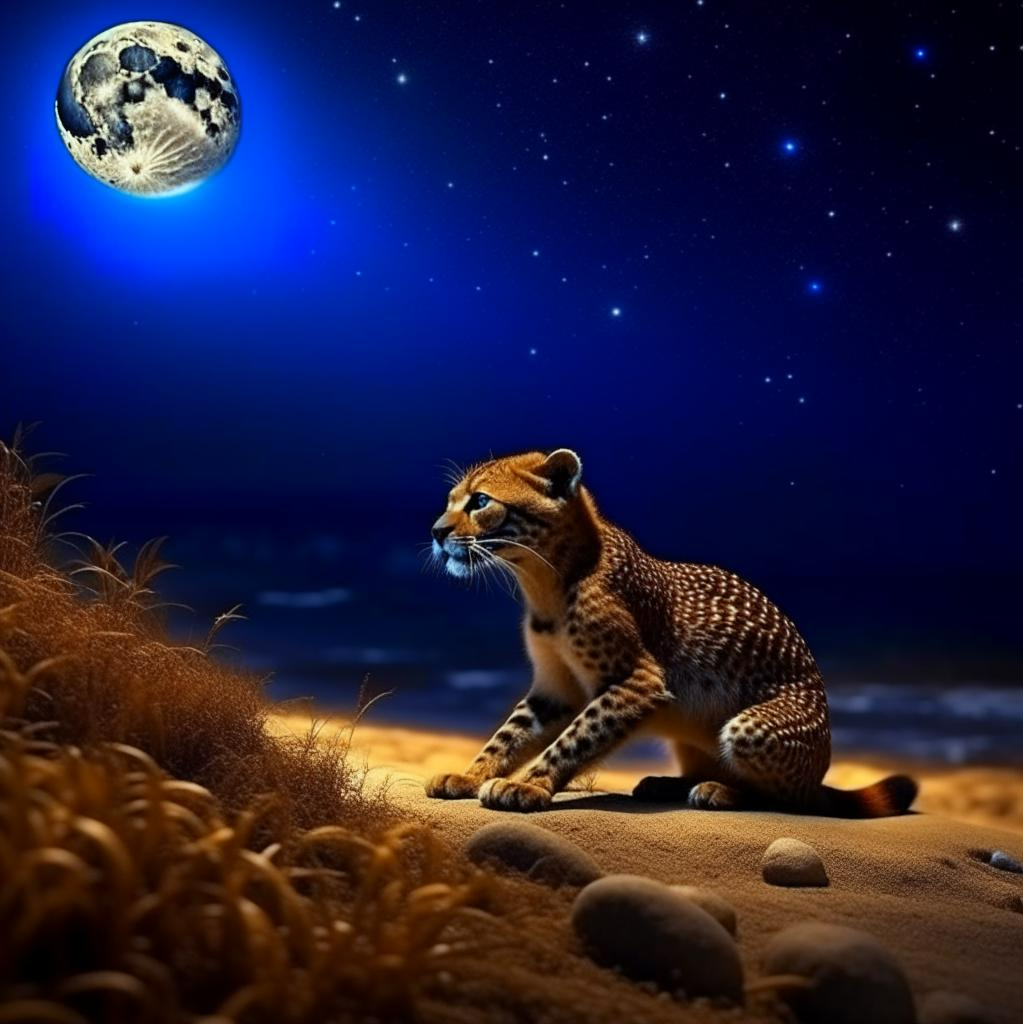
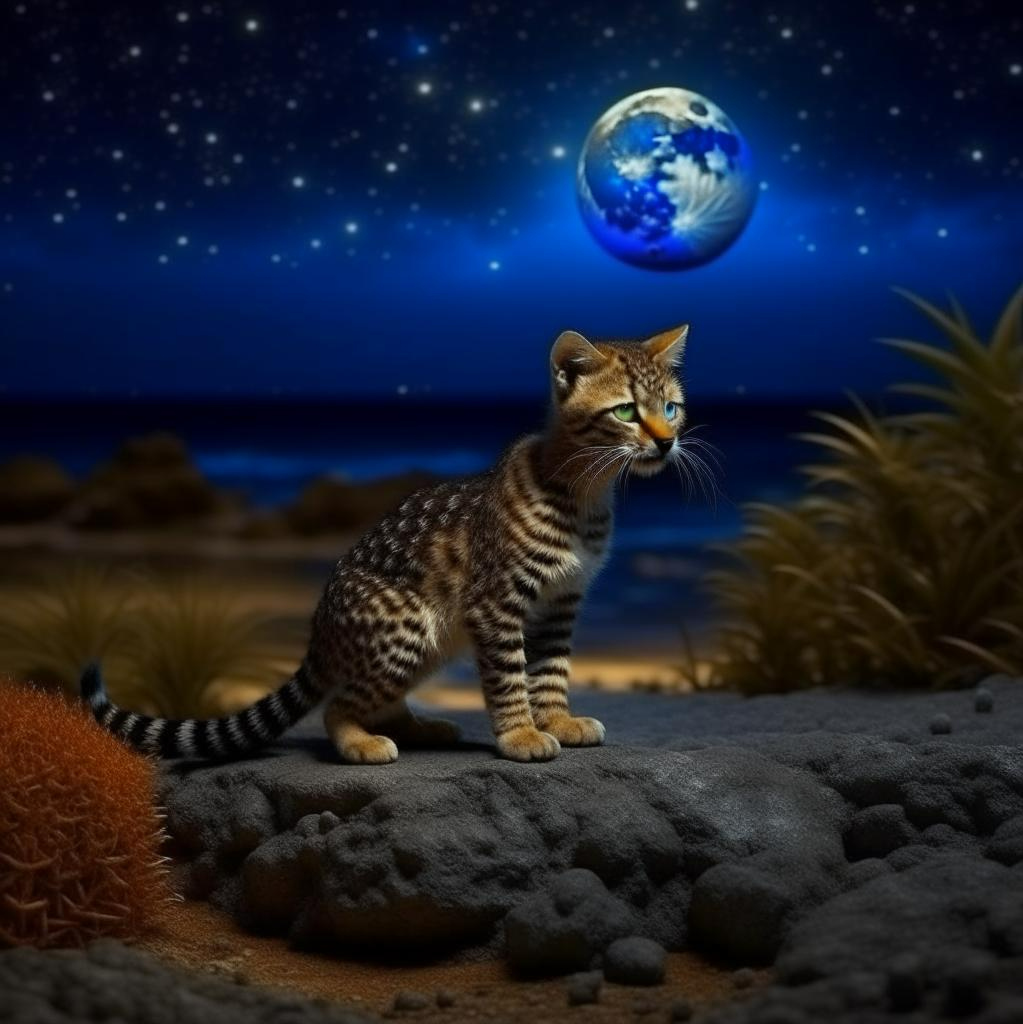
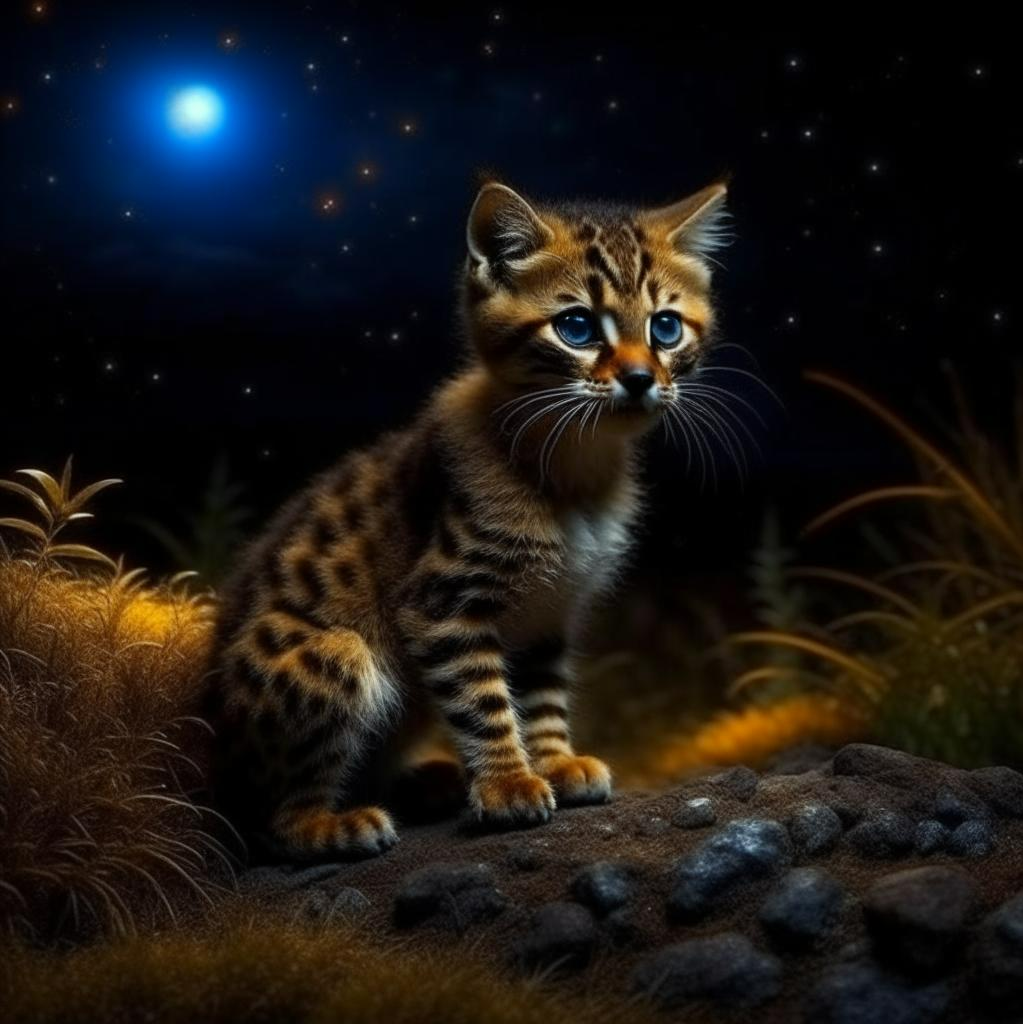
JOrnitho, I'm tortured with your Gatito, look, which of the drawing do you like the most?
Скрытый текст


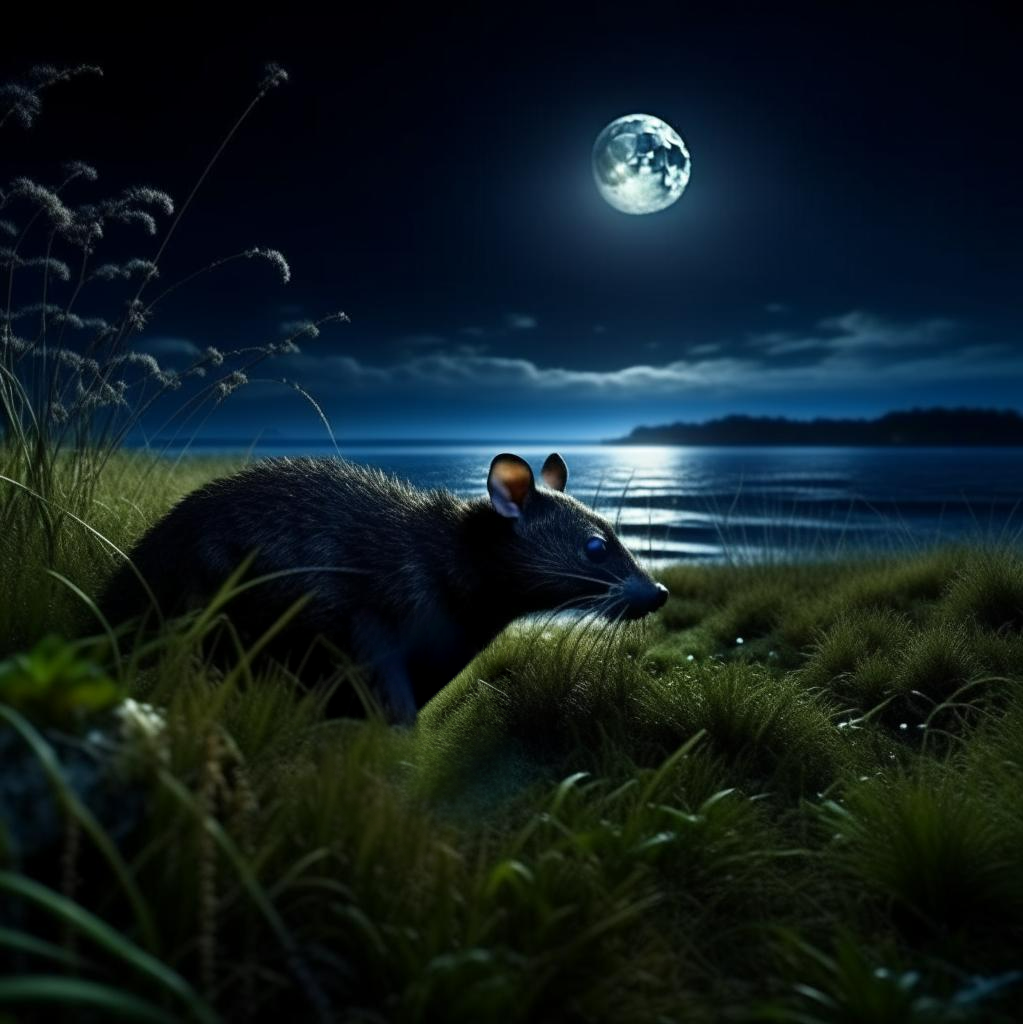
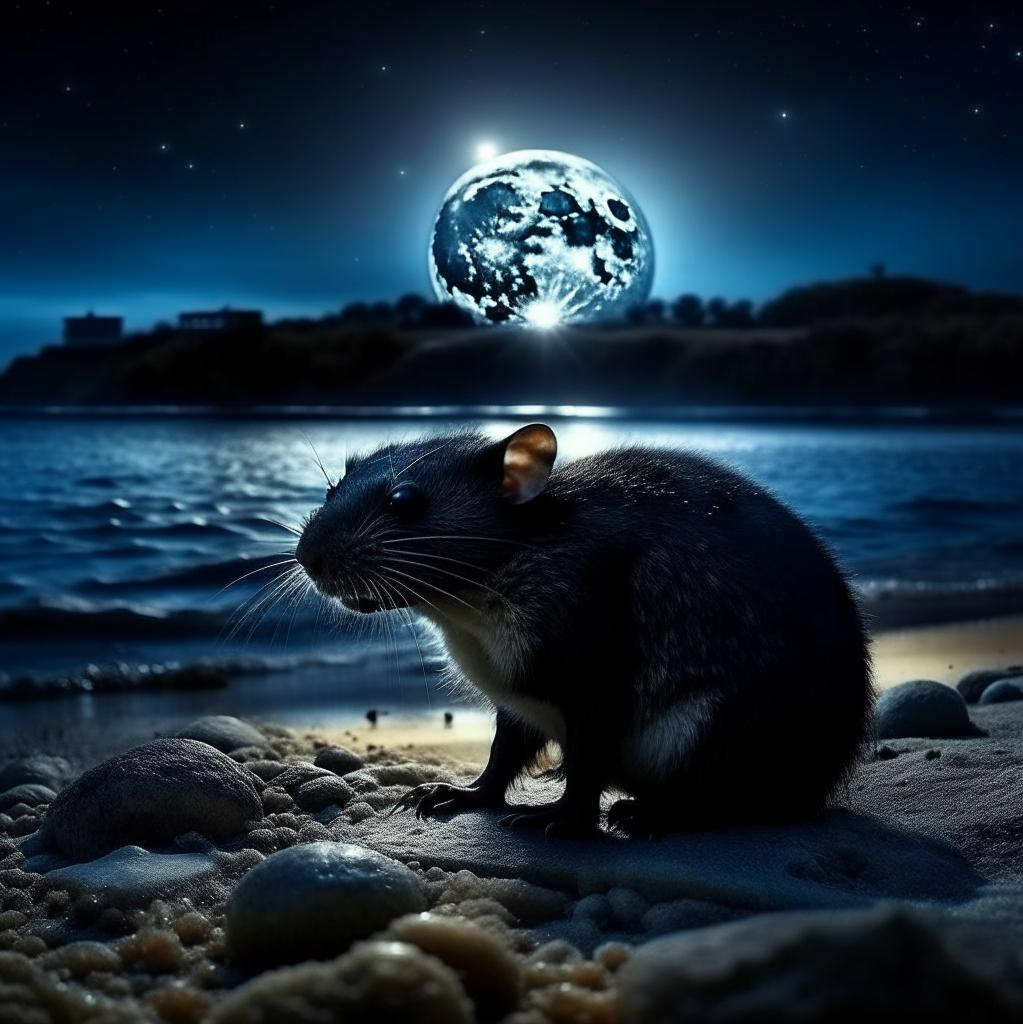
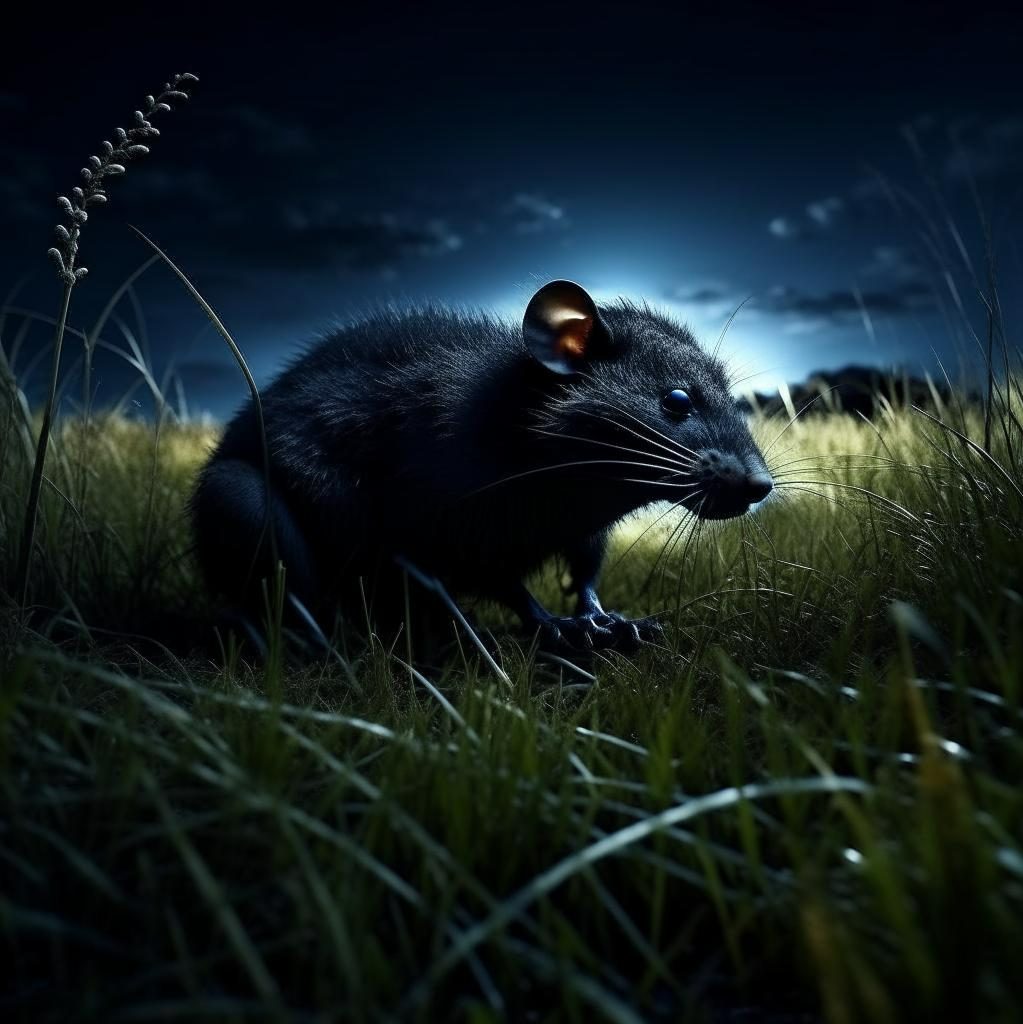
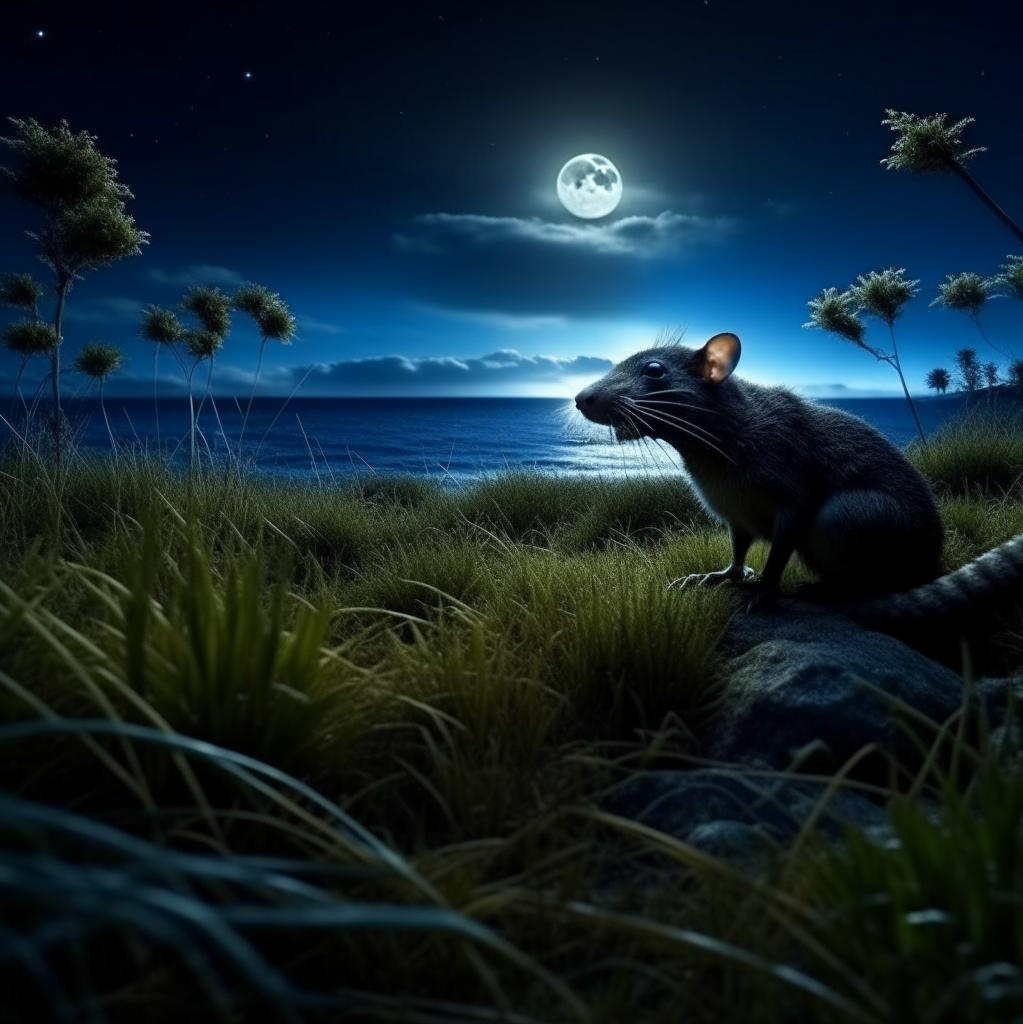
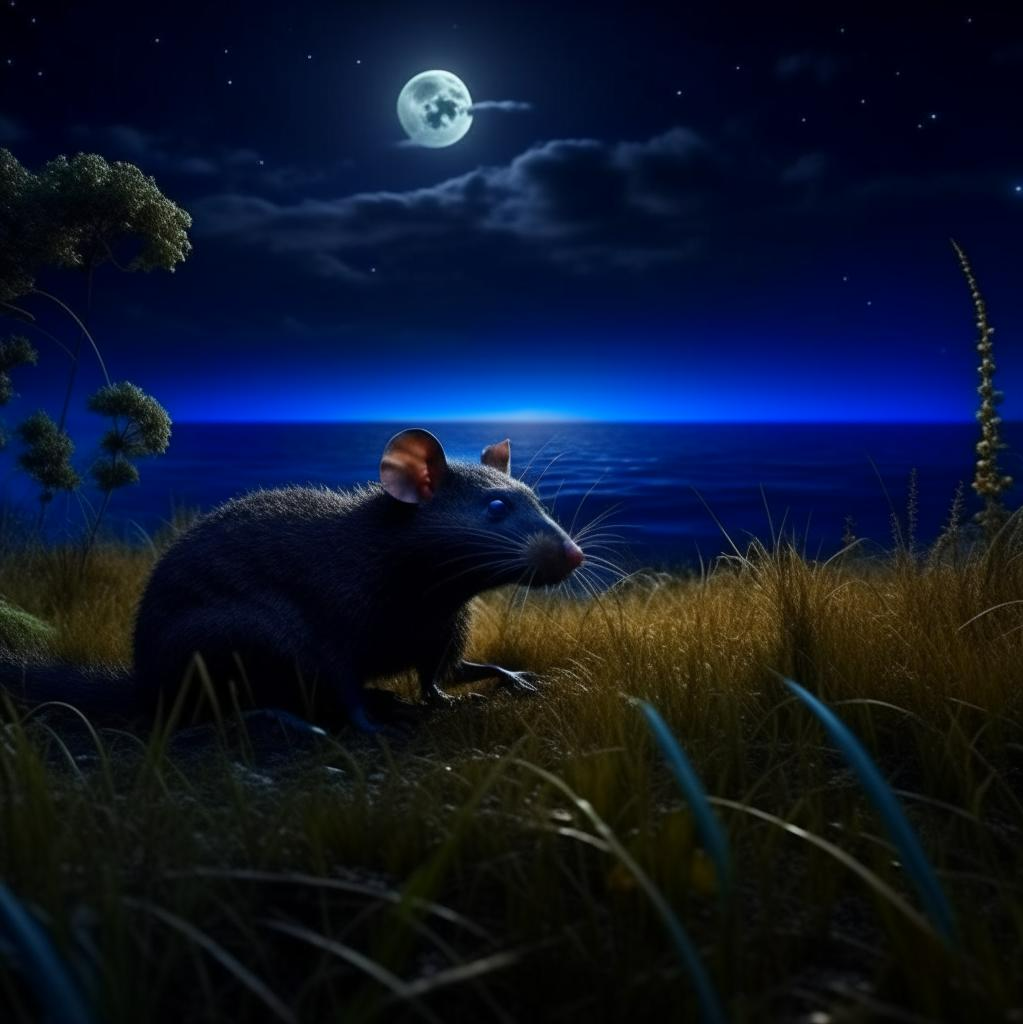
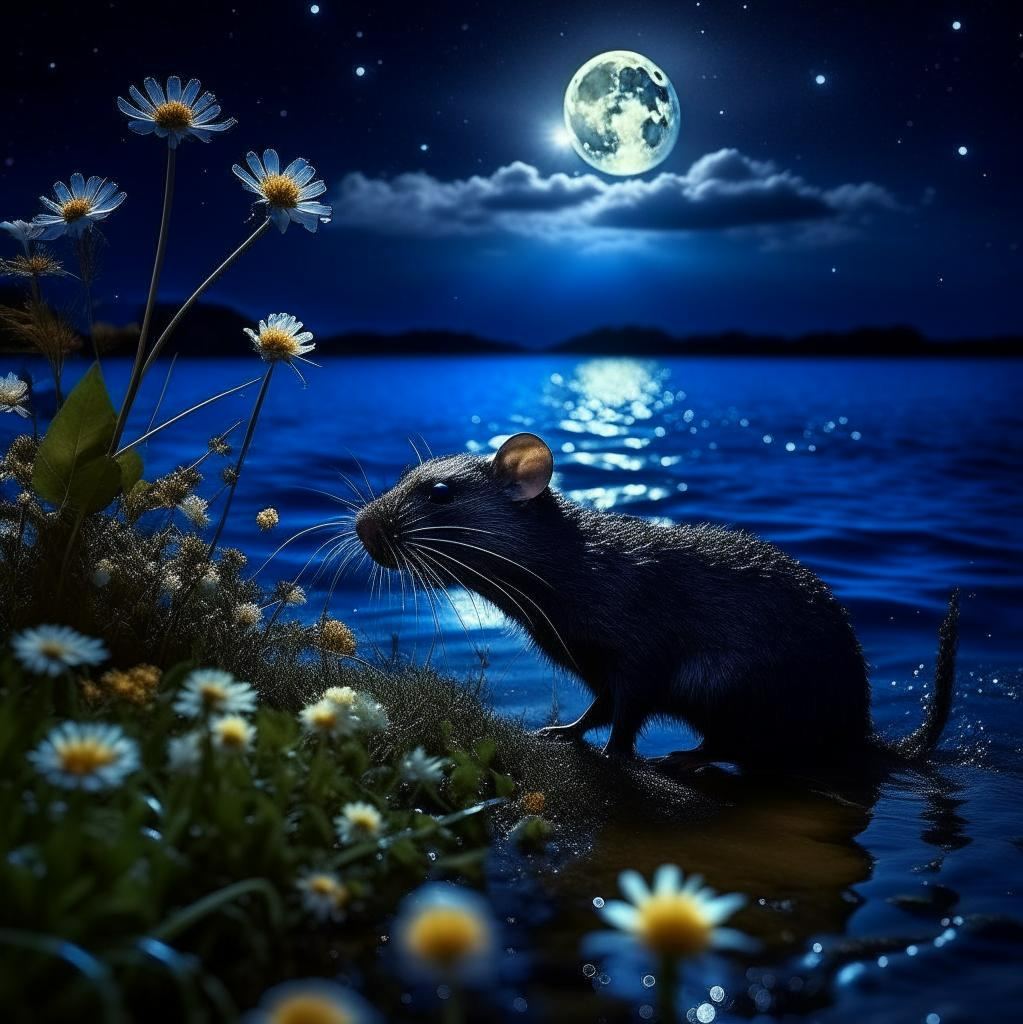
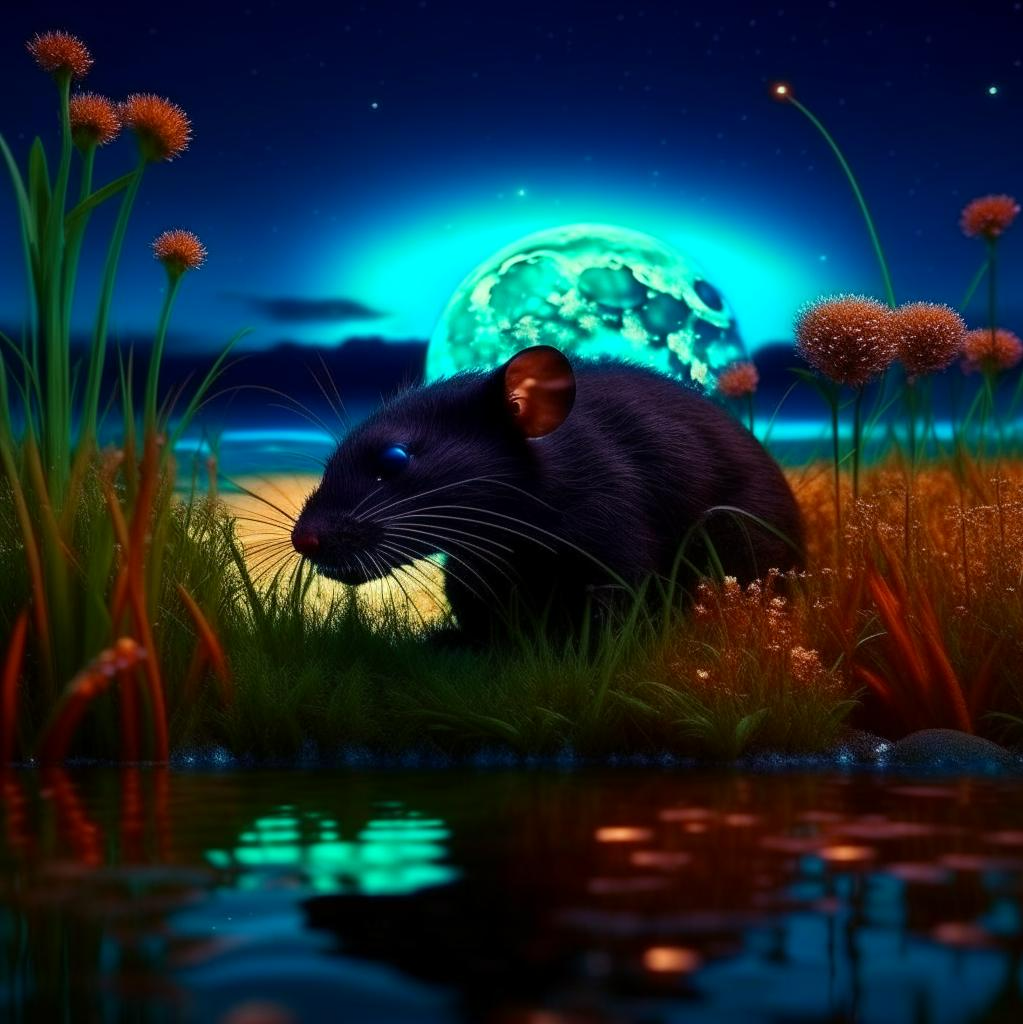
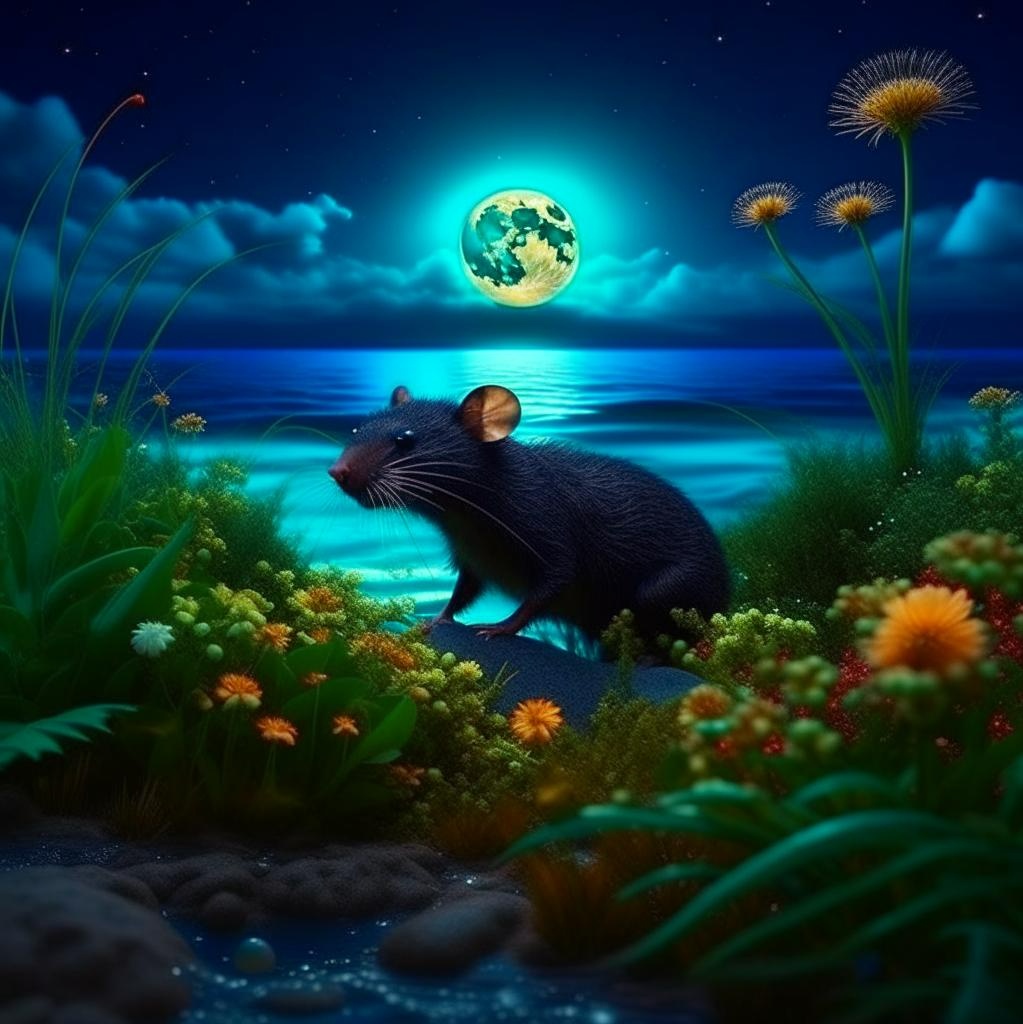
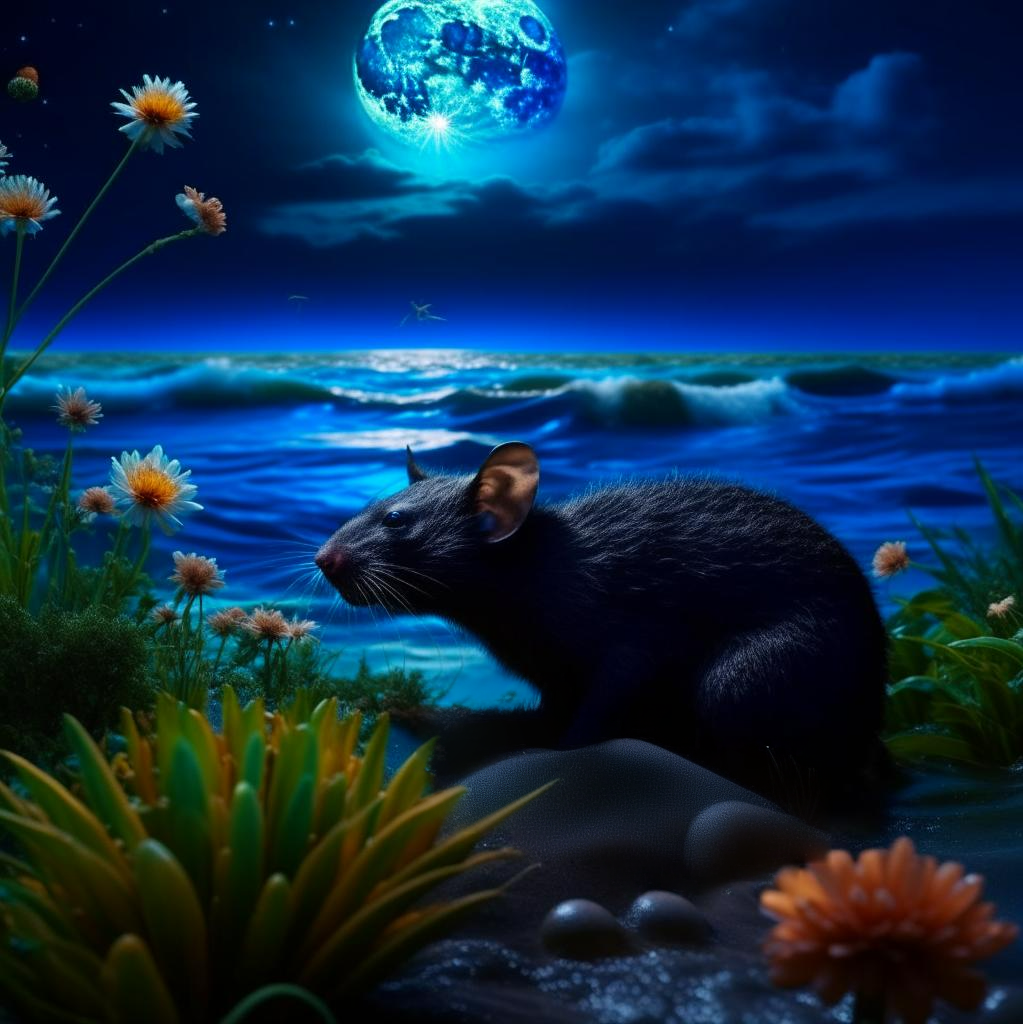
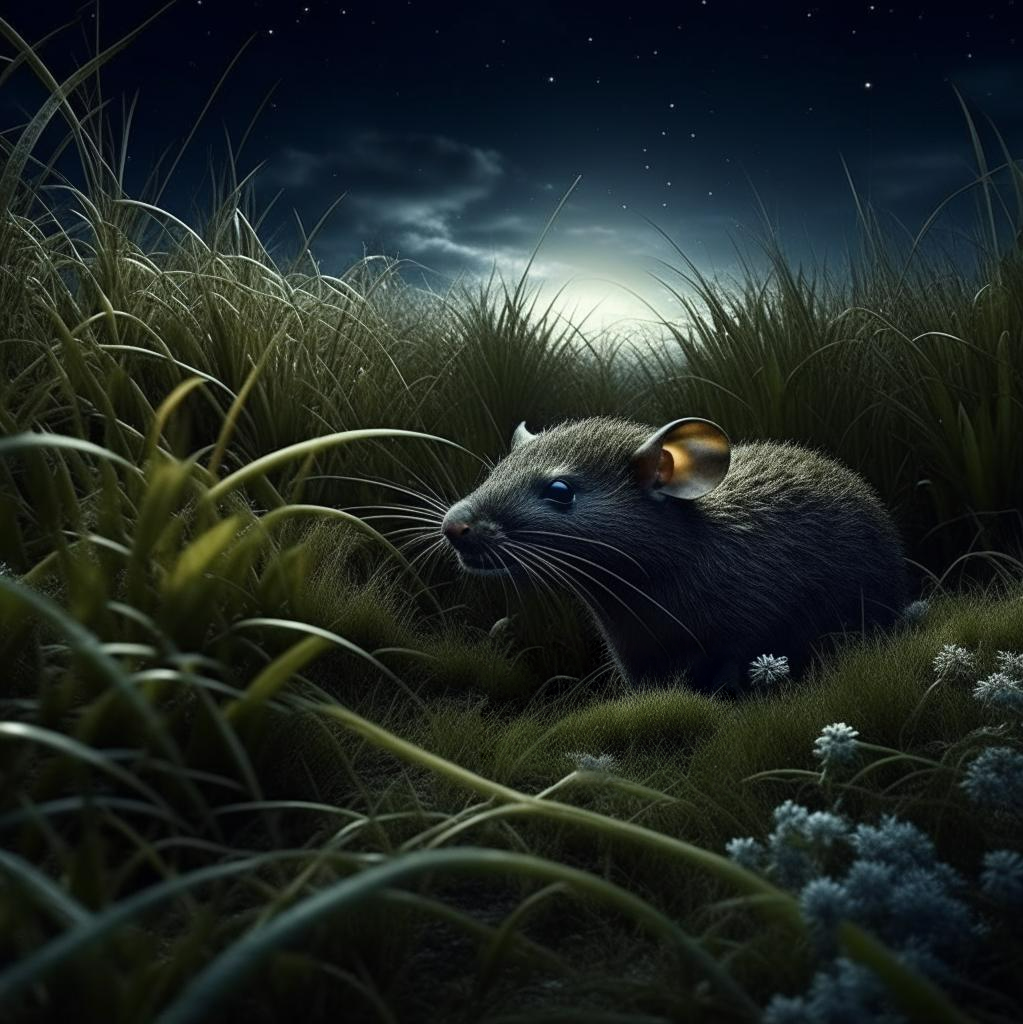
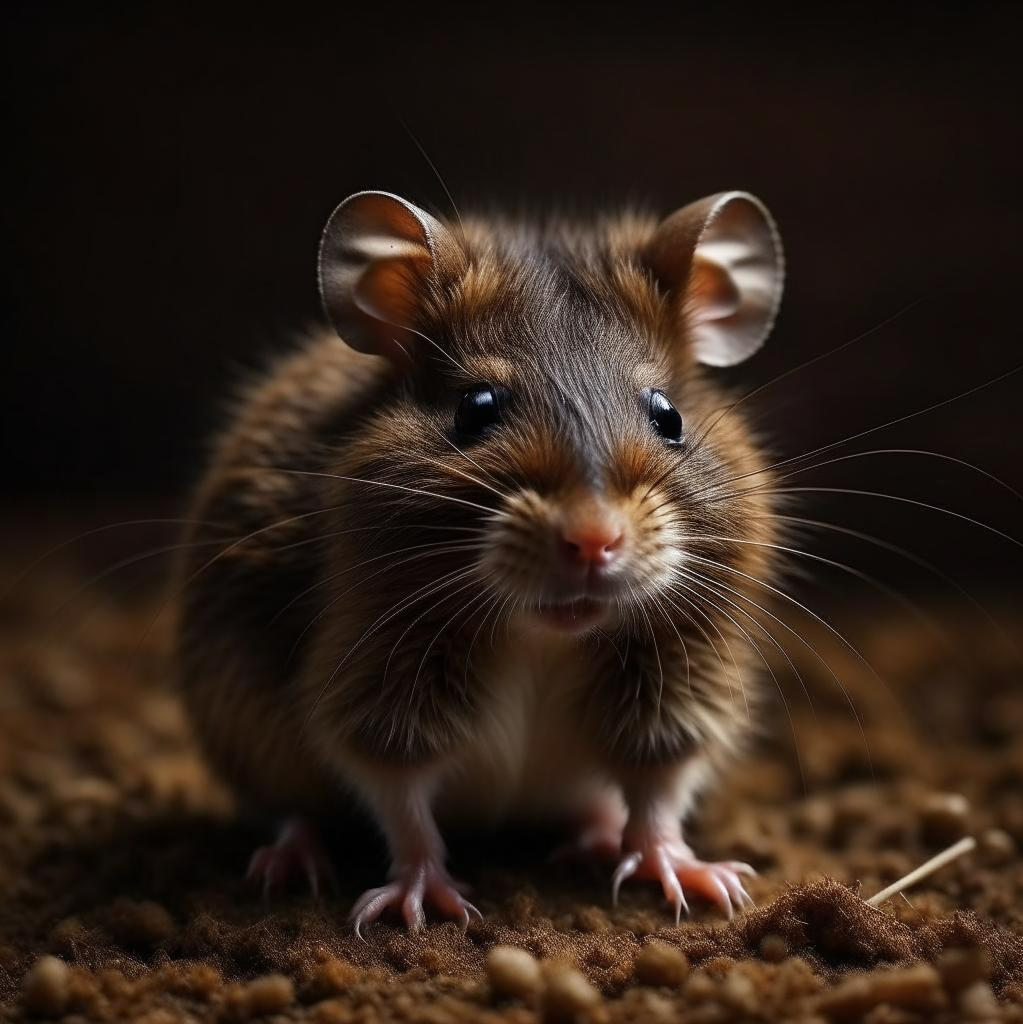
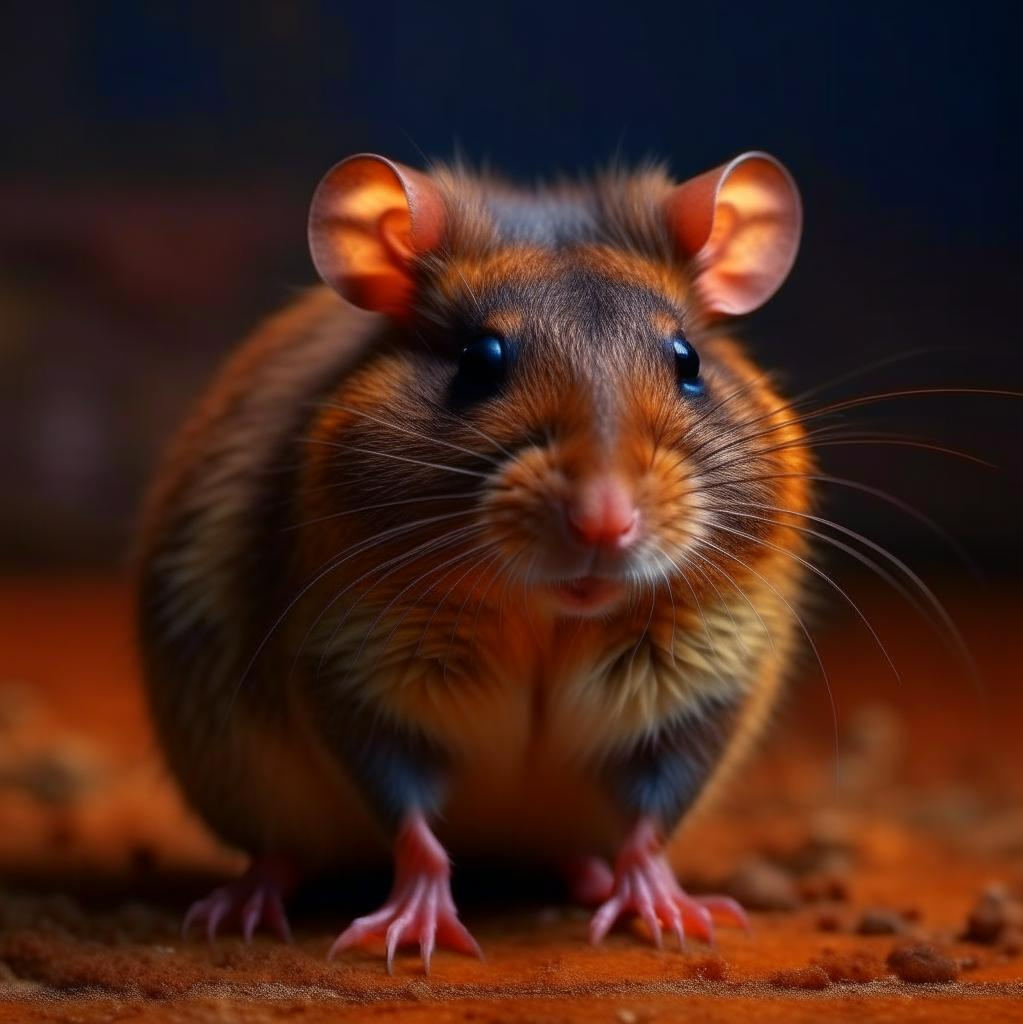
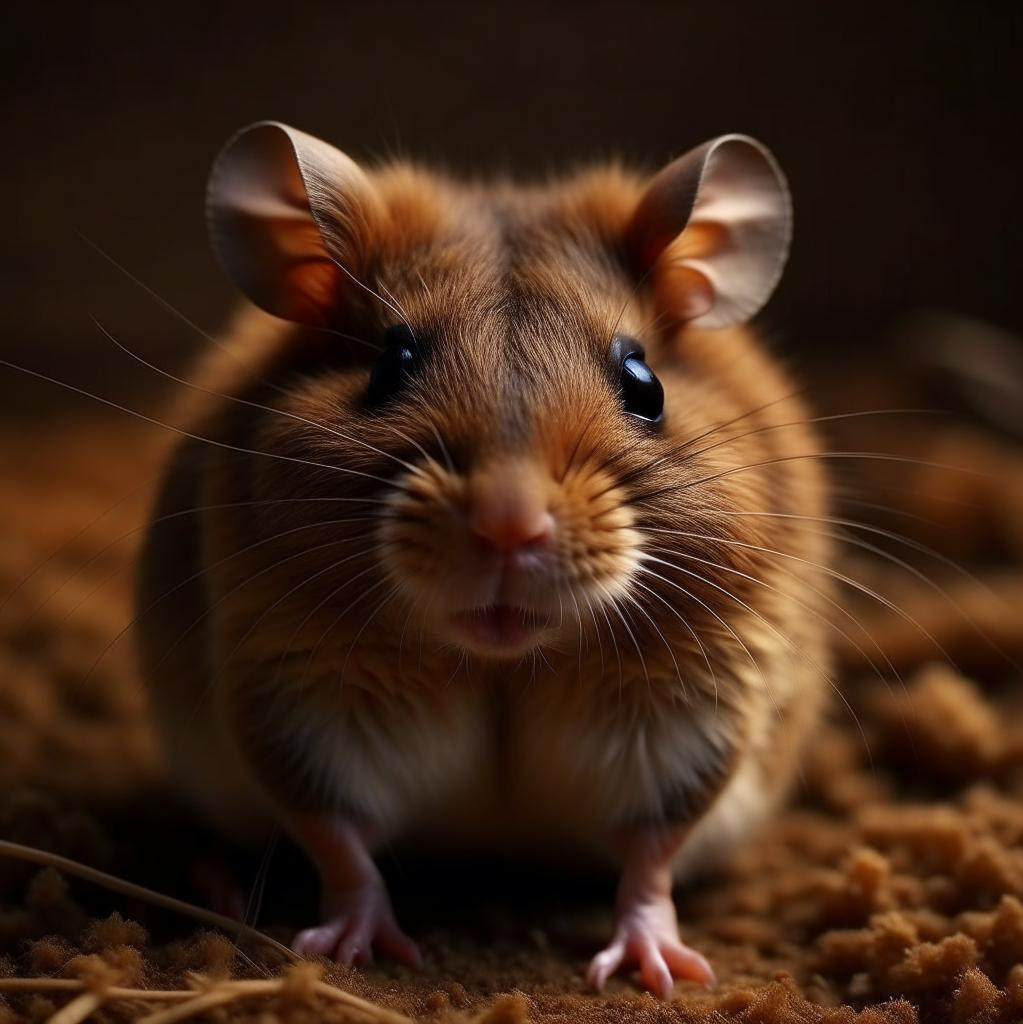
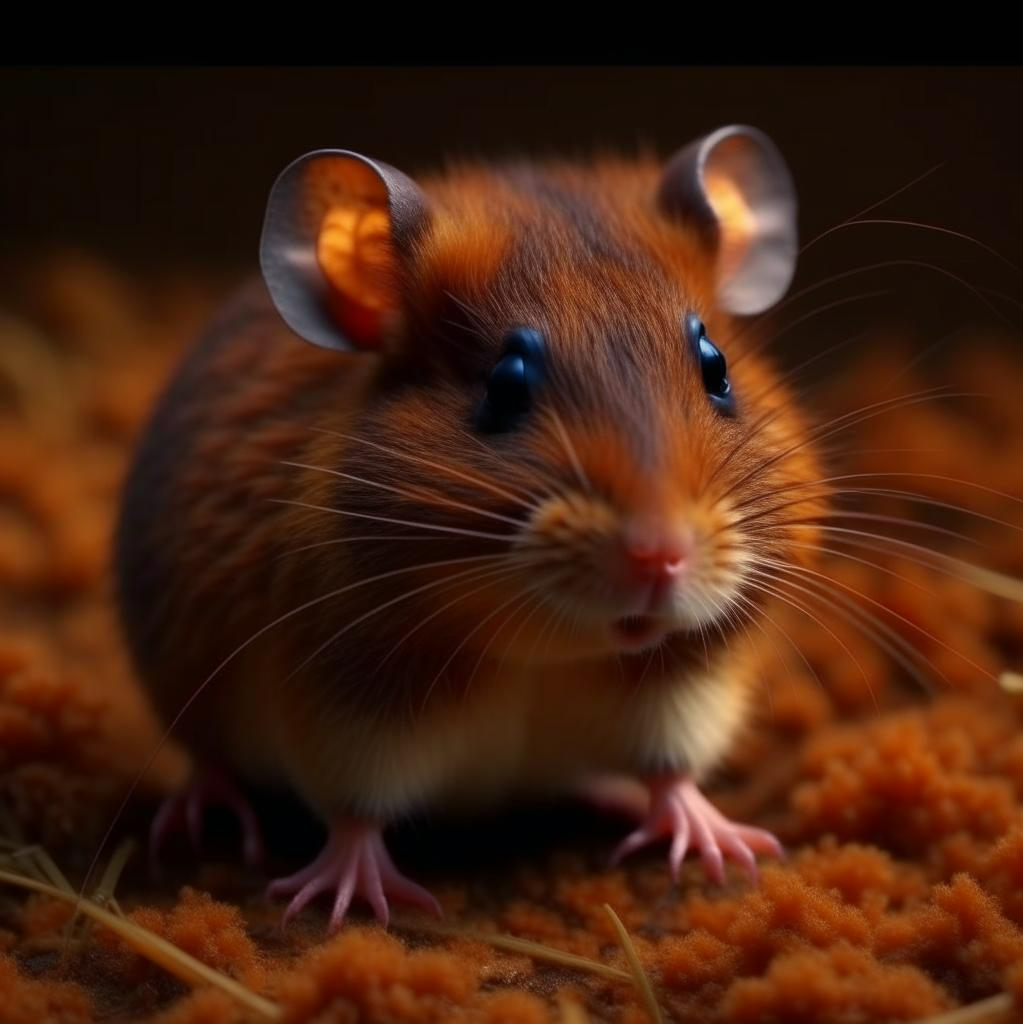
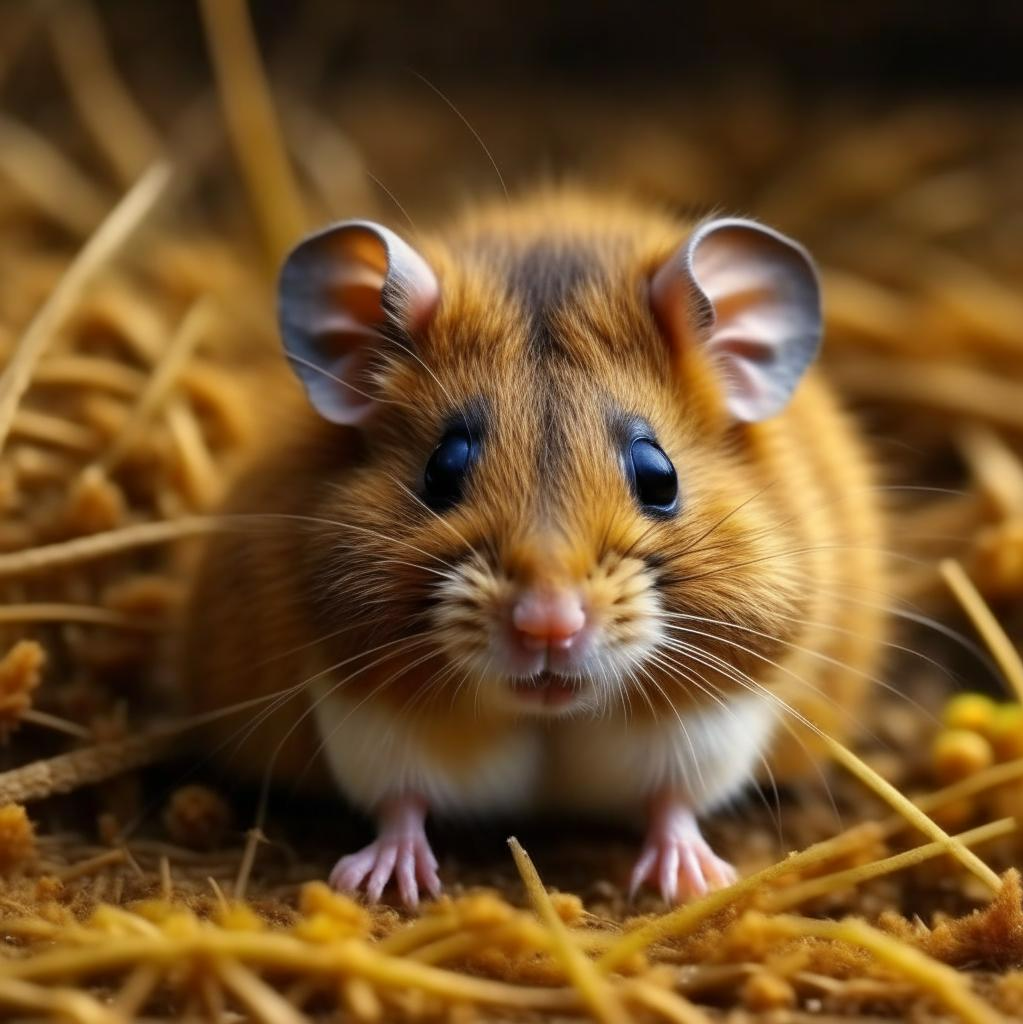
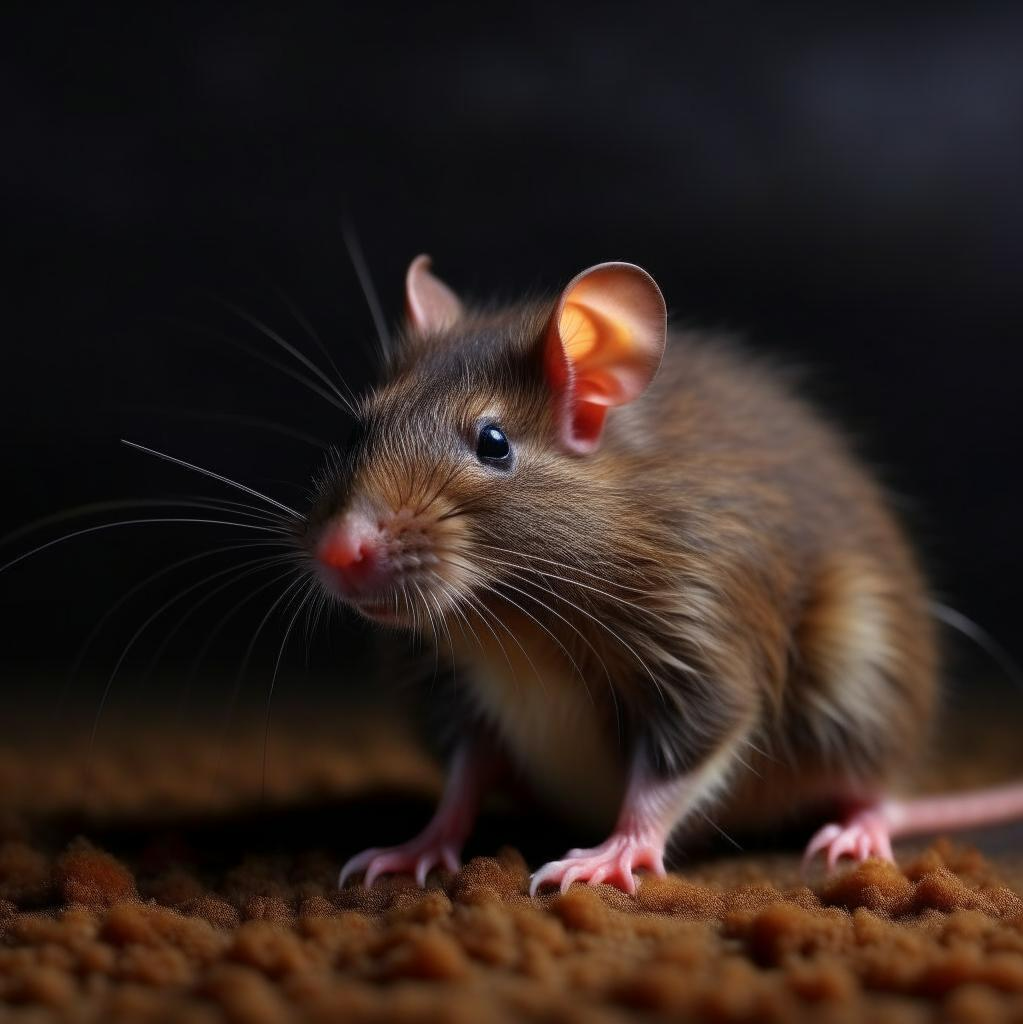
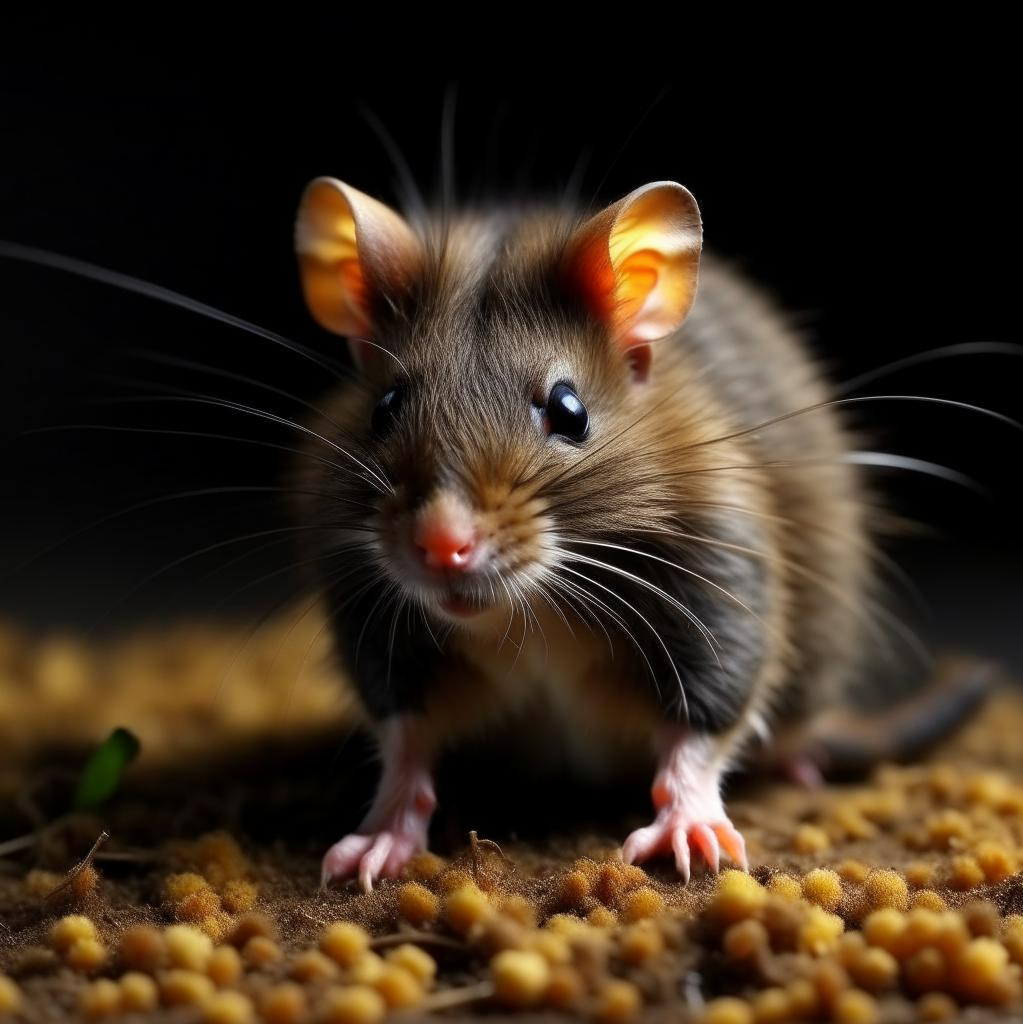
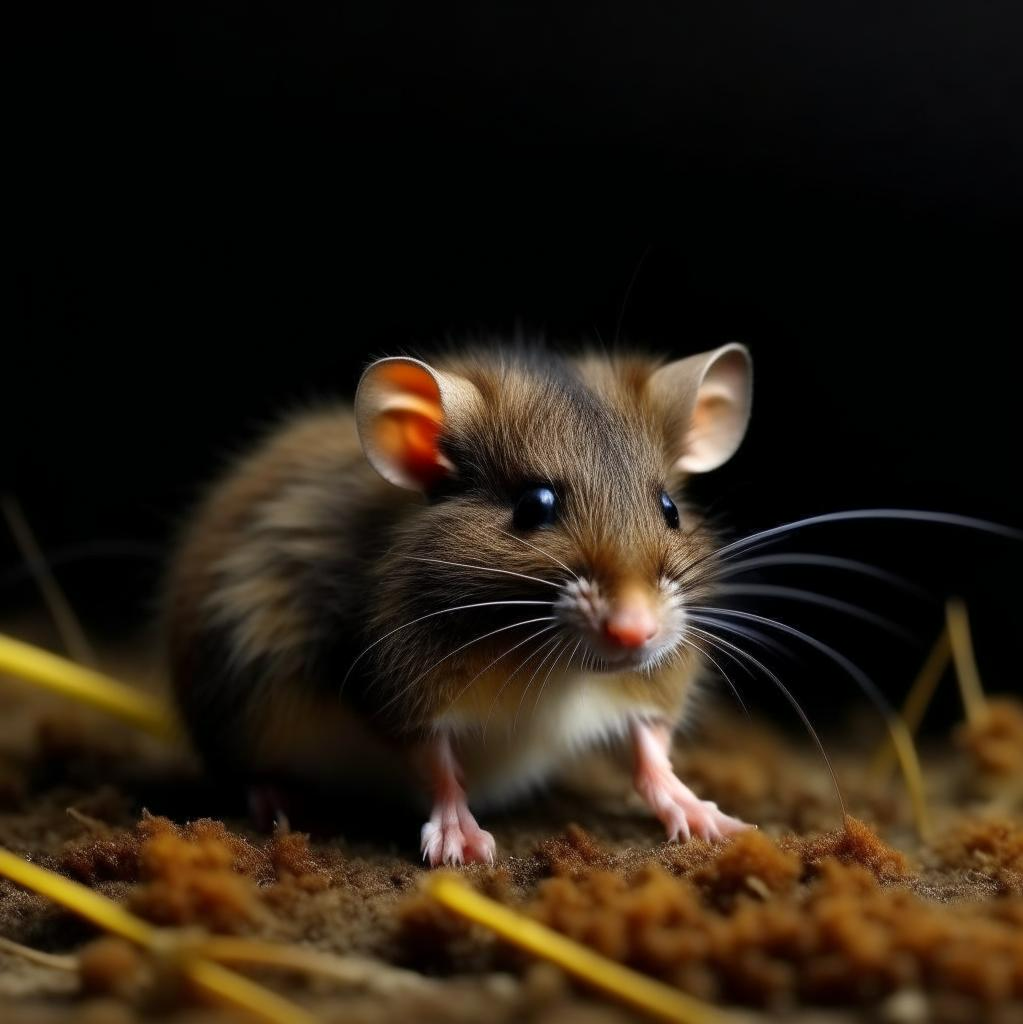
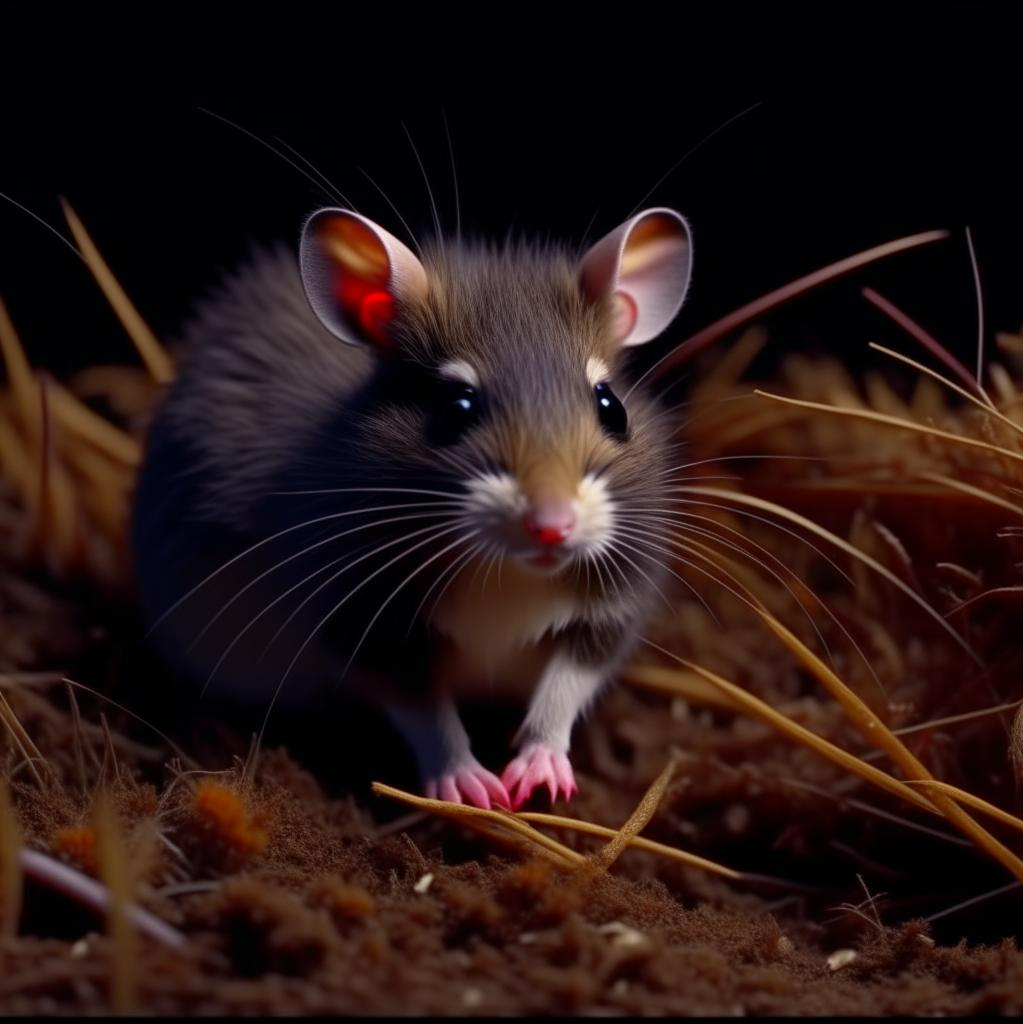
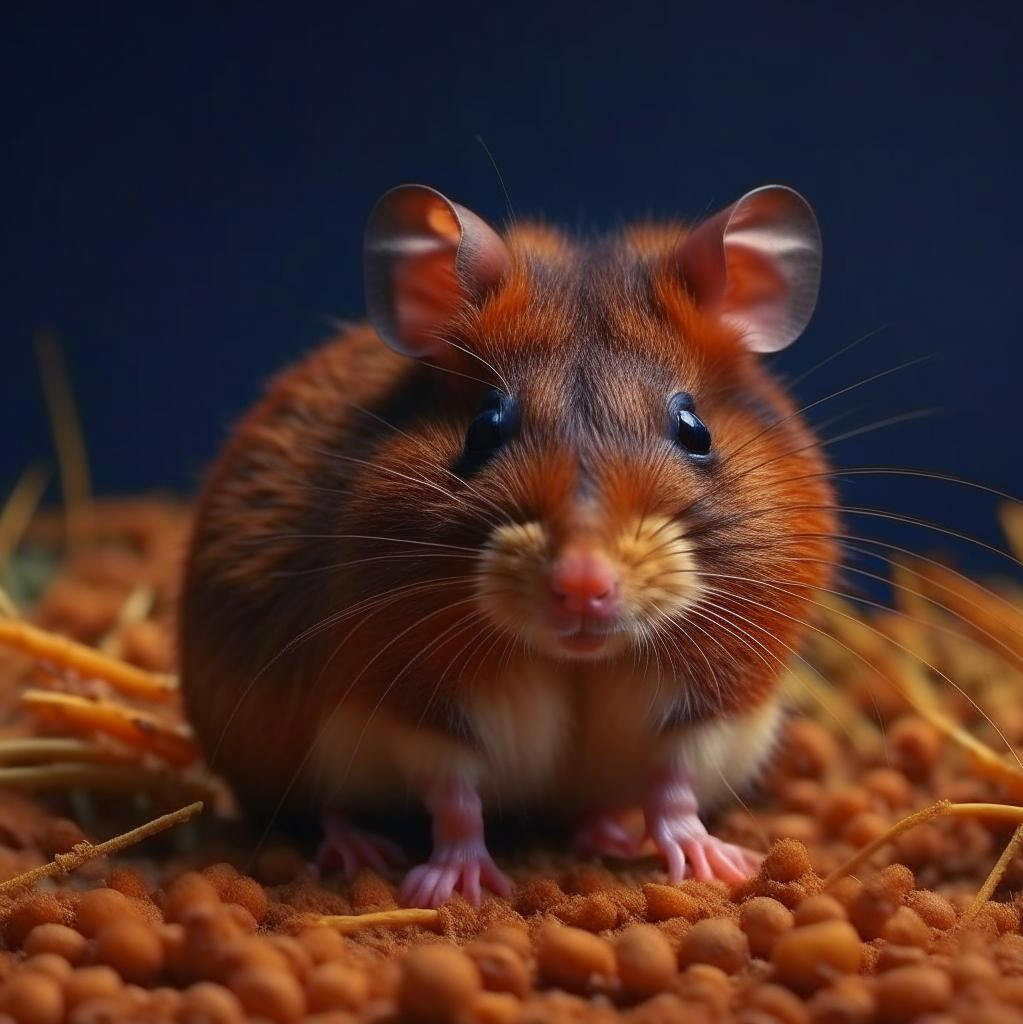
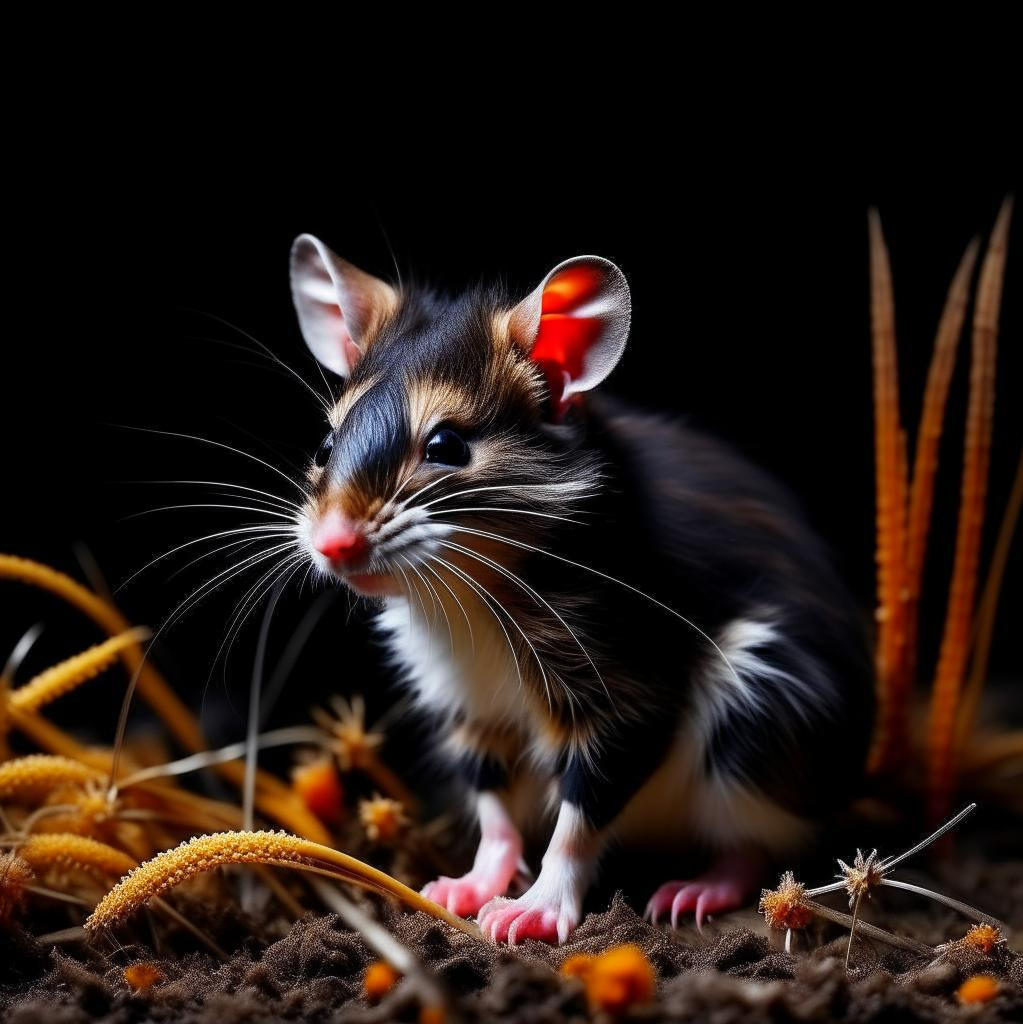
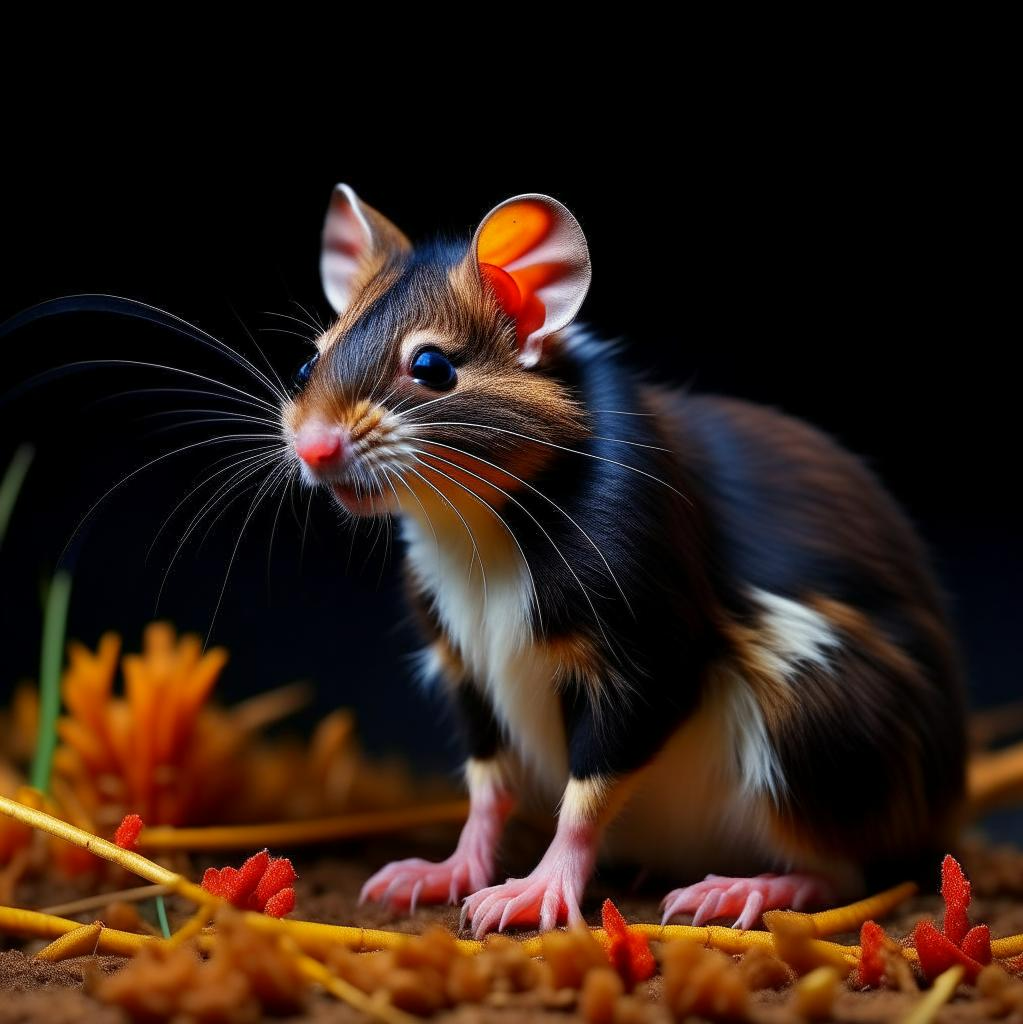
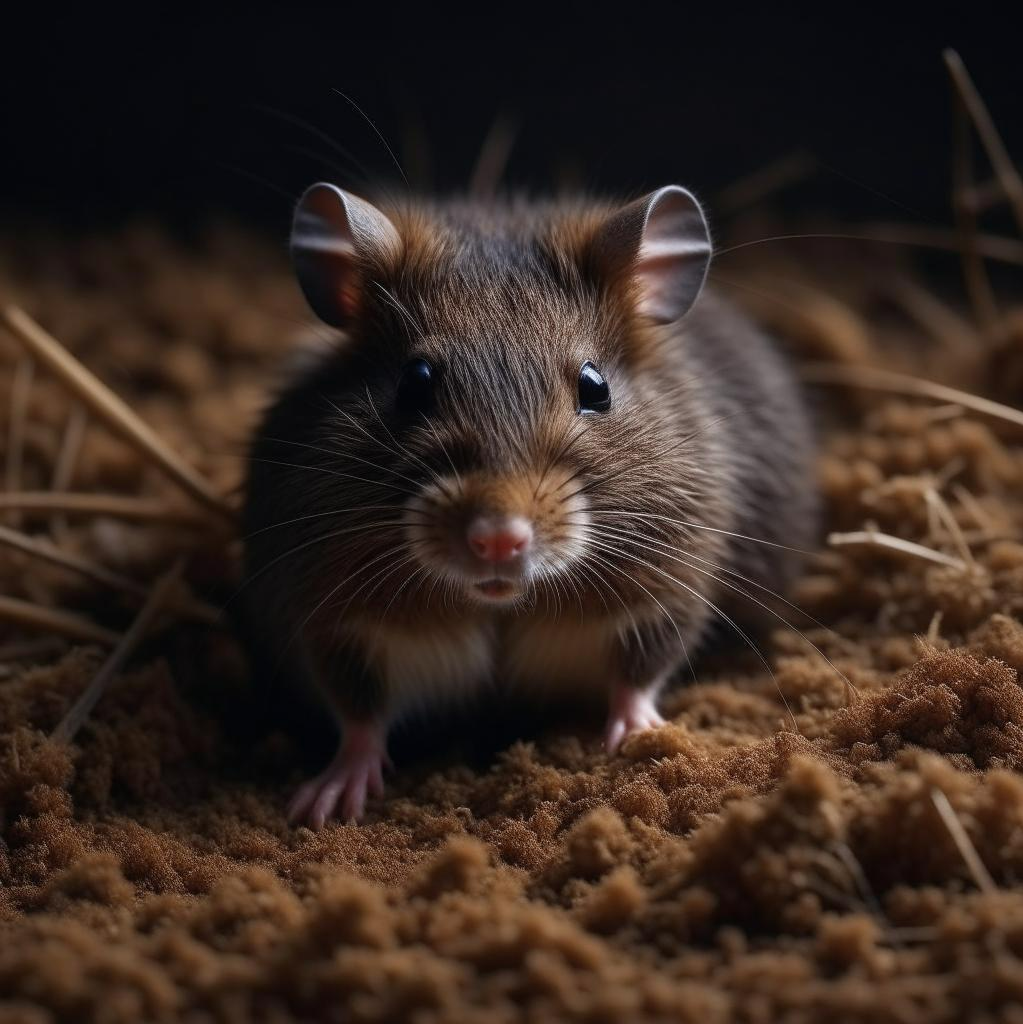
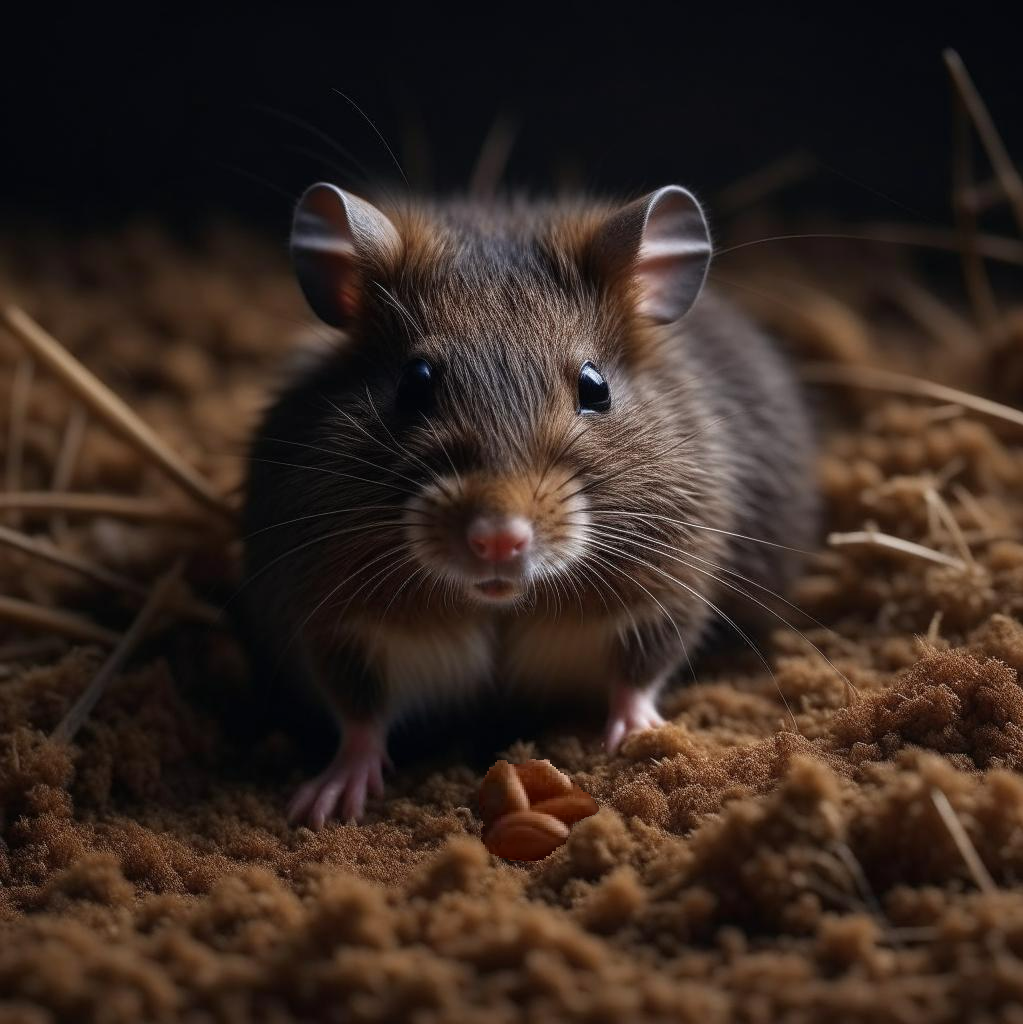
And this is Noronha rat, which picture of rat is better?
Скрытый текст


I numbered the pictures, so just name the numbers of pictures you most like.

Спасибо: 0 
Профиль Цитата Ответить


Пост N: 858
Рейтинг: 2
ссылка на сообщение  Отправлено: 24.07.23 01:52. Заголовок: wovoka пишет: JOrni..


wovoka пишет:

 цитата:
JOrnitho, I'm tortured with your Gatito, look, which of the drawing do you like the most?


I think that the number 8 is the closest to what I thought that the gatito would be. For the rat, I think that the number 2 works. We can assume that the tail is hidden behind its body.

Спасибо: 0 
Профиль Цитата Ответить
moderator


Пост N: 5535
Откуда: Республика Лакота
Рейтинг: 9
ссылка на сообщение  Отправлено: 26.07.23 00:24. Заголовок: JOrnitho, I was tryi..


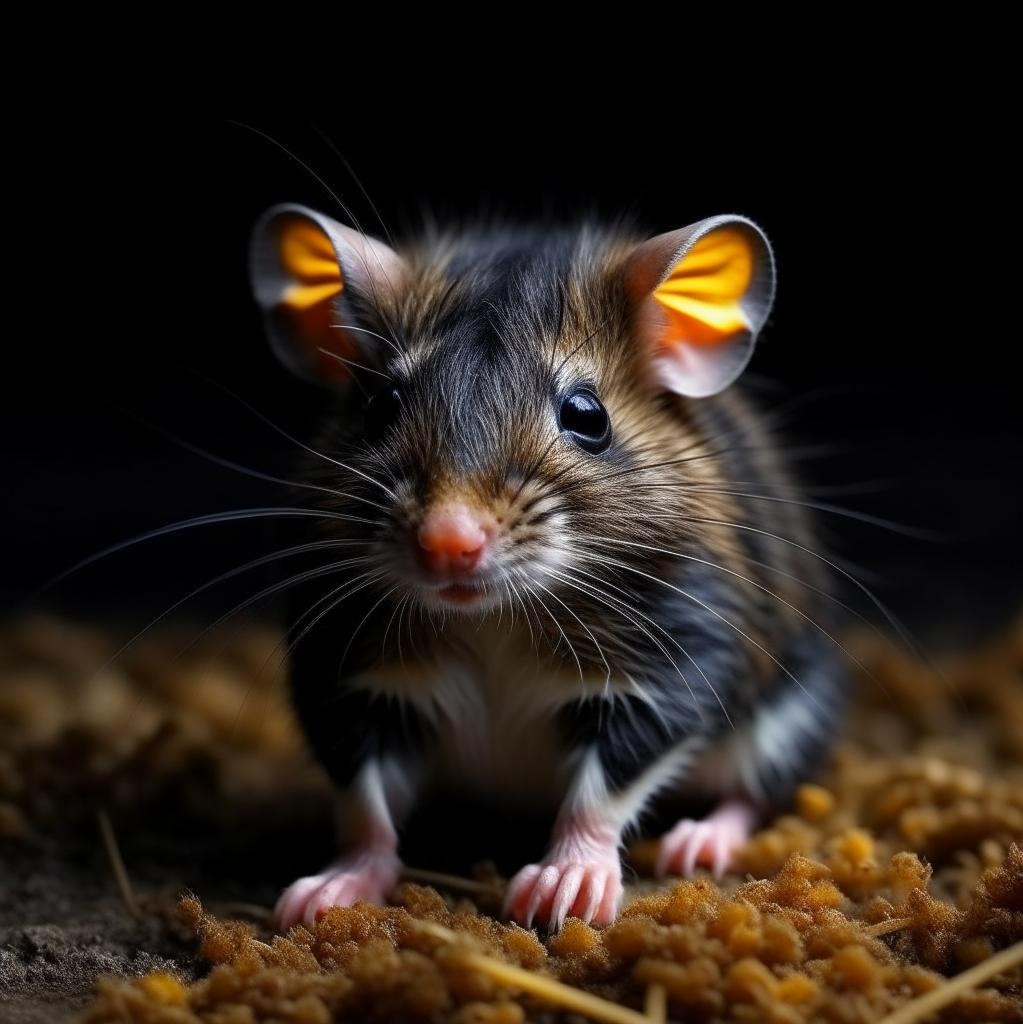
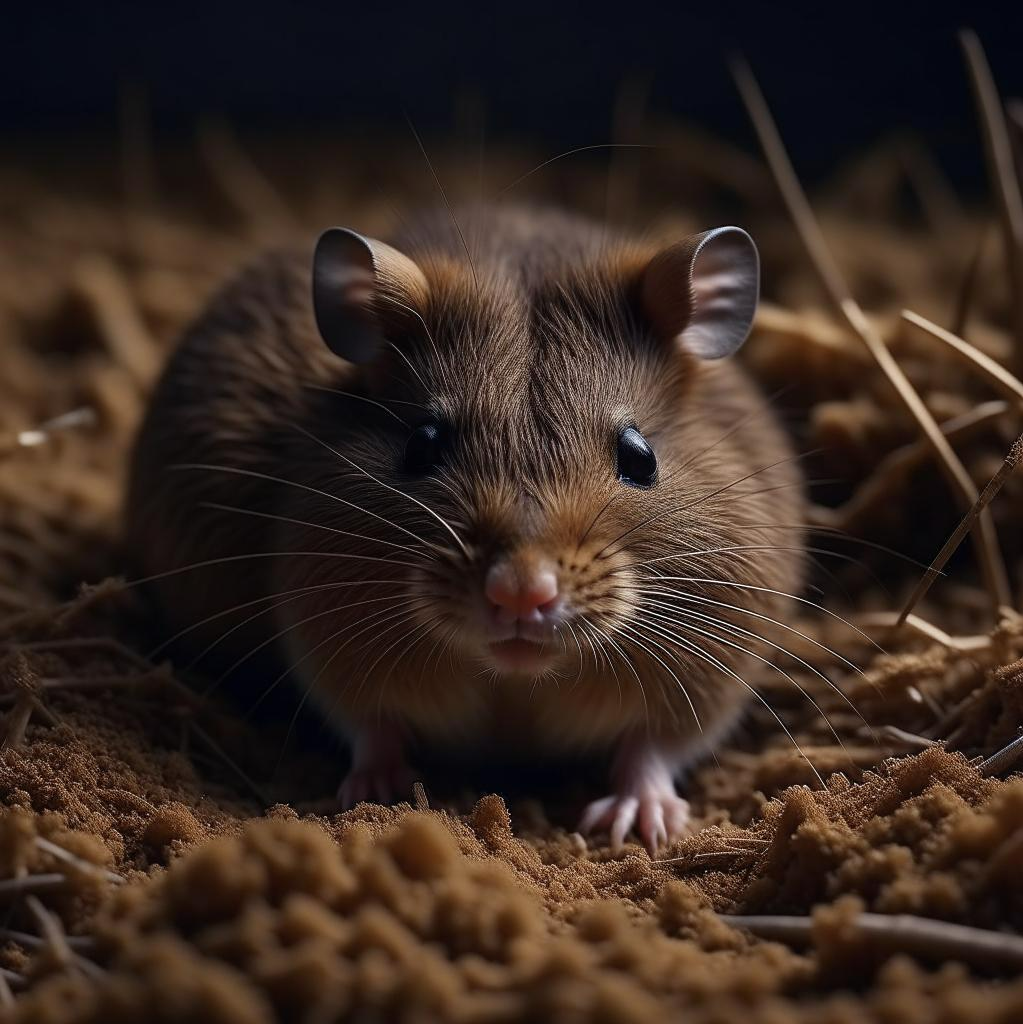
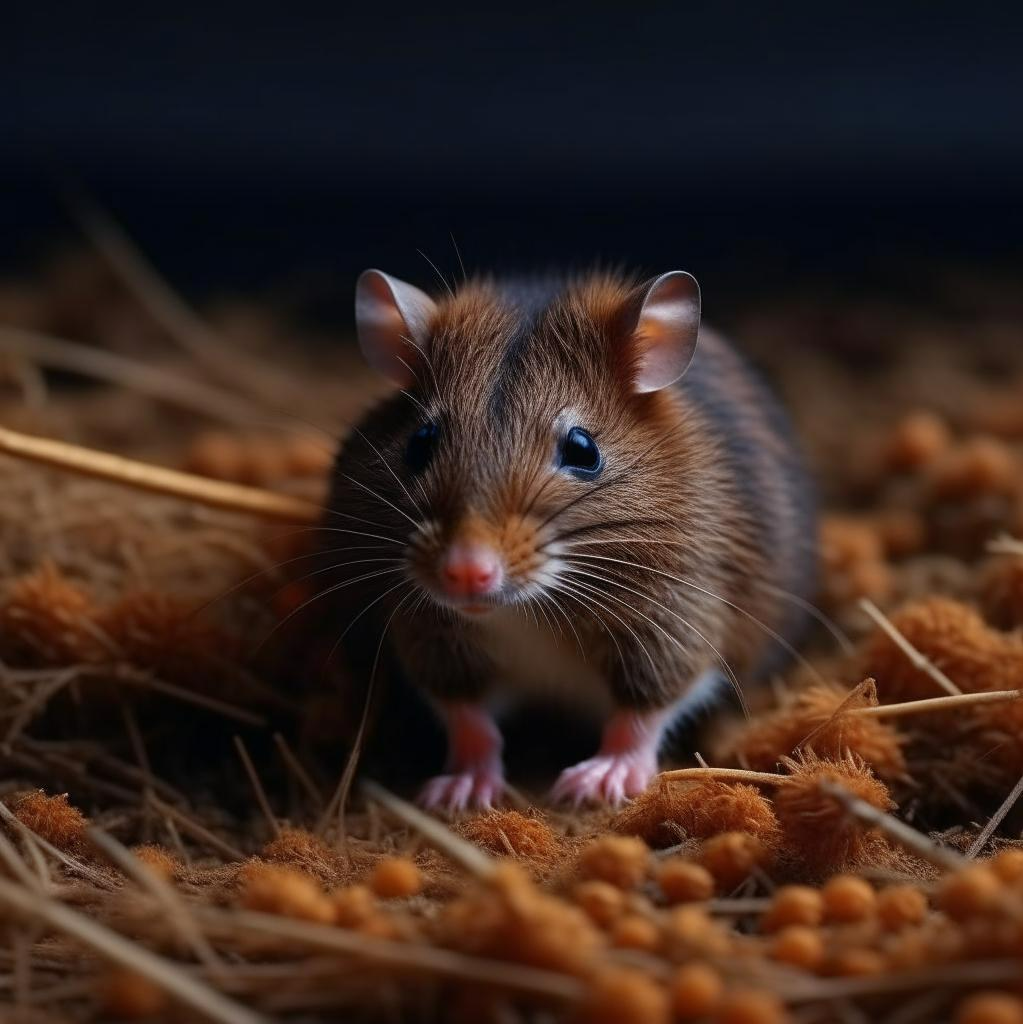
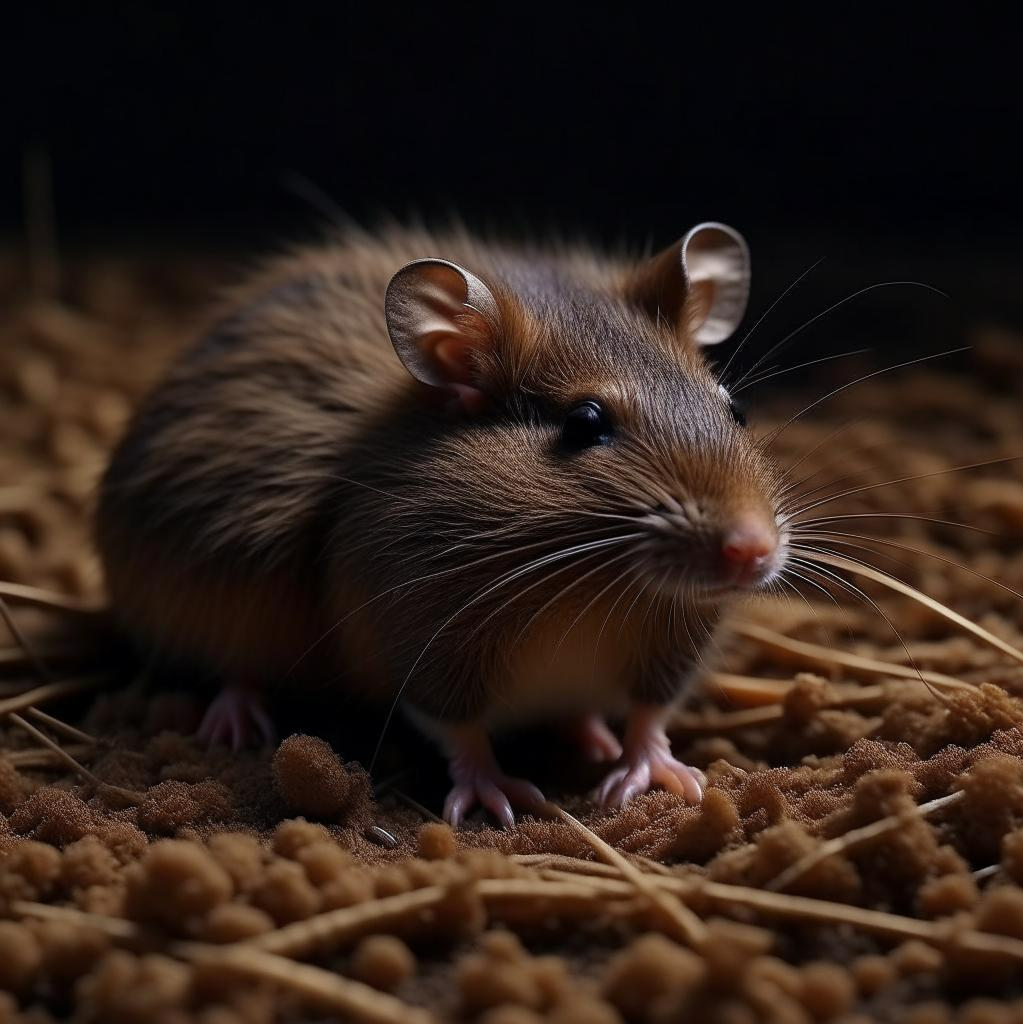
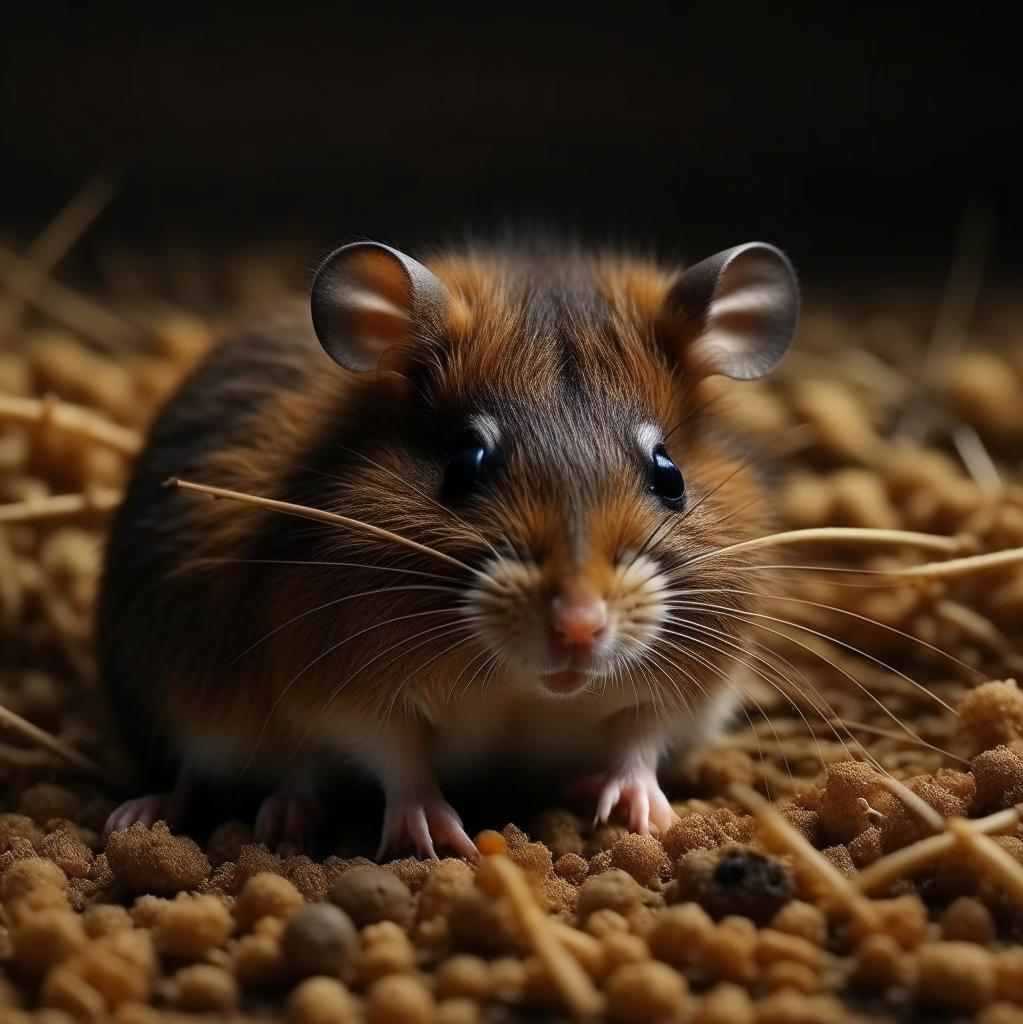
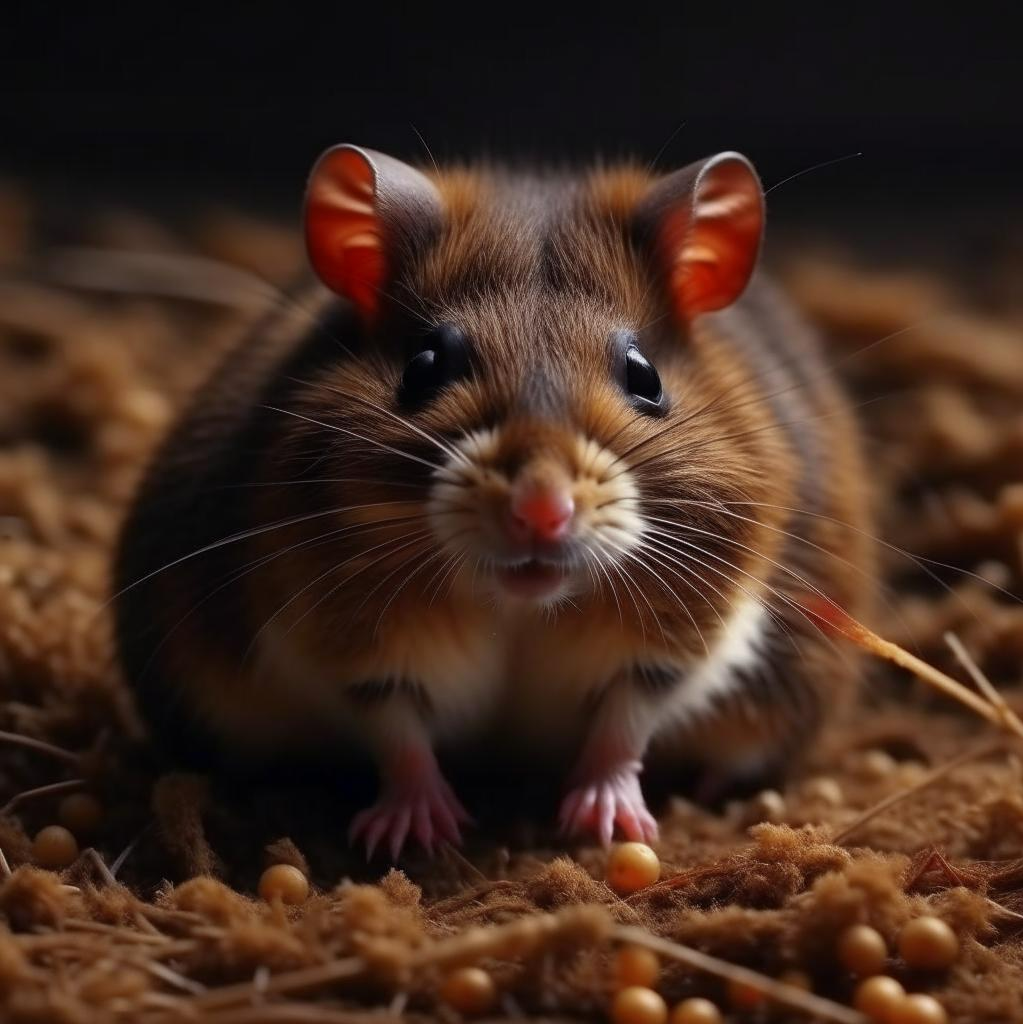
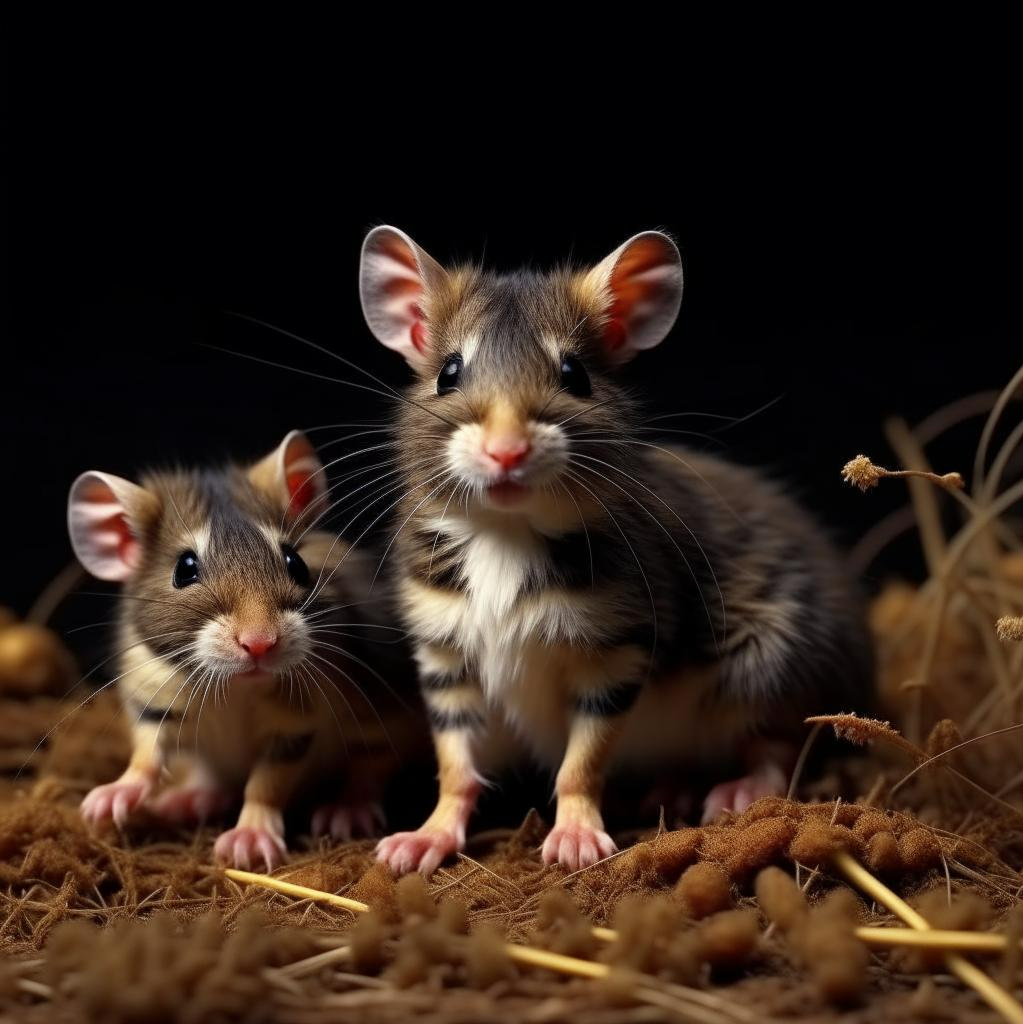
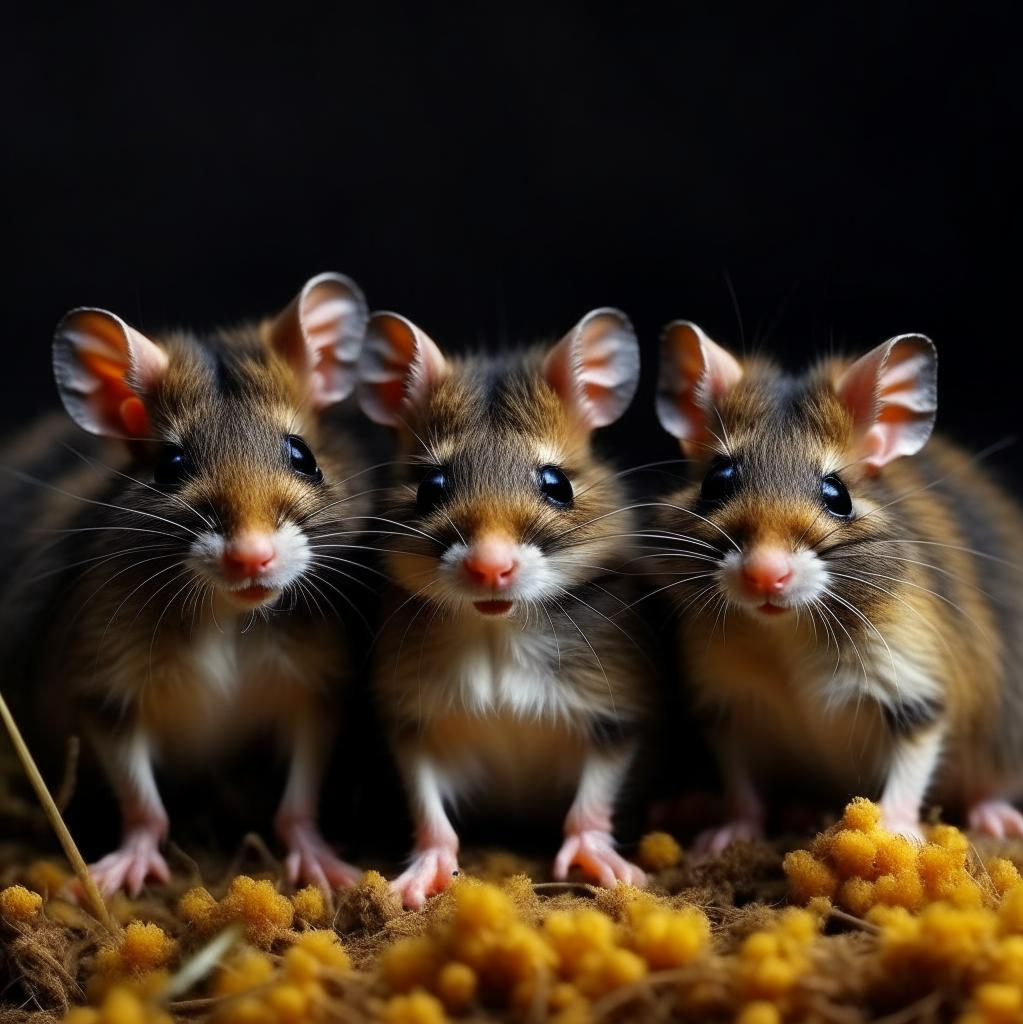
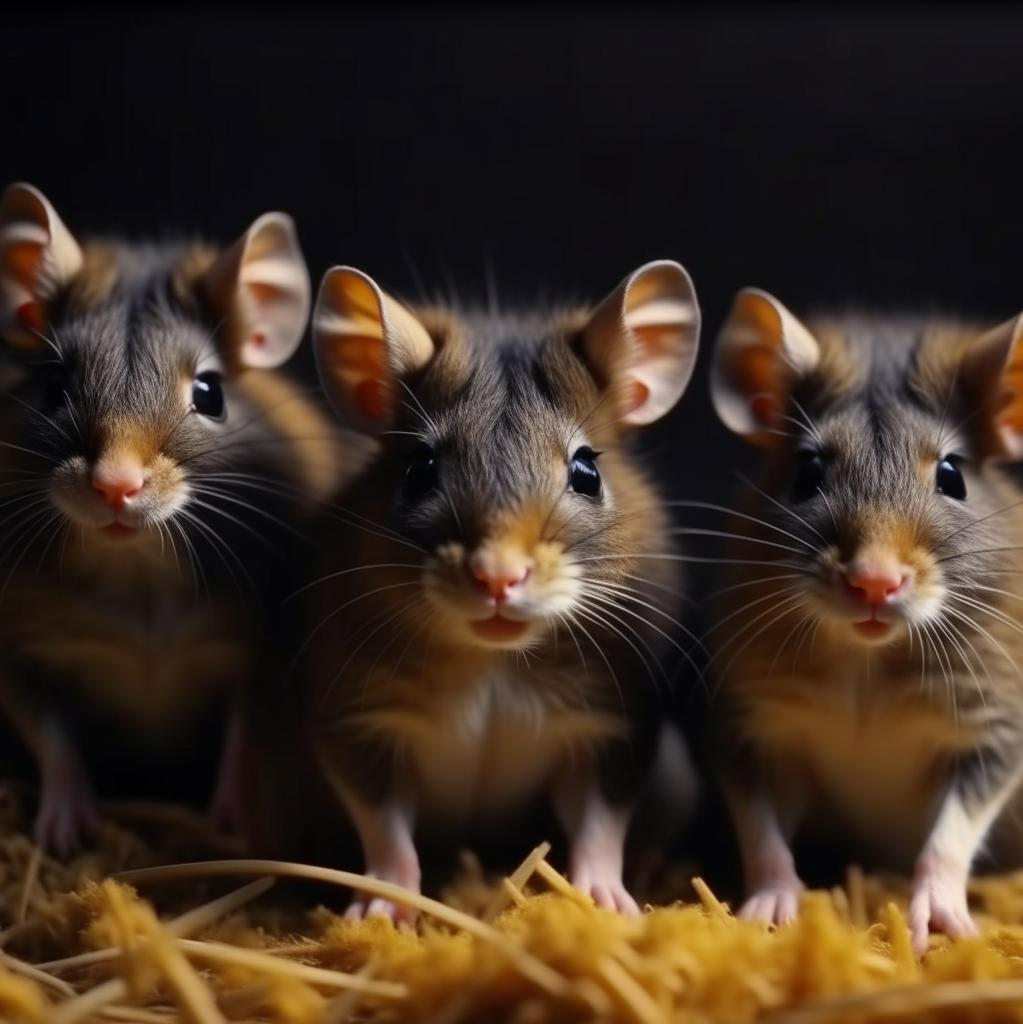
JOrnitho, I was trying to make Rapa Nui rat.

Which of the pictures depicts your idea at least a little (or can be corrected with Photoshop)?

Скрытый текст


Rat with baby rat.
Скрытый текст

Baby rats
Скрытый текст


I numbered the pictures again, so just name the numbers of pictures you most like.

Спасибо: 0 
Профиль Цитата Ответить
moderator


Пост N: 1712
Откуда: Таллапнуджир, всякие ЛЮБАВЫ,ХВОСТЕНЫ, и т.д.
Рейтинг: 3
ссылка на сообщение  Отправлено: 26.07.23 01:35. Заголовок: wovoka Good images!..


wovoka
Good images!
But this "baby rats" are not baby - baby rays are very small and naked, not only smaller than adults. This rats are probably juvenile.

Спасибо: 0 
Профиль Цитата Ответить
moderator


Пост N: 5541
Откуда: Республика Лакота
Рейтинг: 9
ссылка на сообщение  Отправлено: 26.07.23 01:59. Заголовок: лягушка пишет: juve..


лягушка пишет:

 цитата:
juvenile


Yes, I mean it, sorry for my English.

Спасибо: 0 
Профиль Цитата Ответить


Пост N: 864
Рейтинг: 2
ссылка на сообщение  Отправлено: 26.07.23 02:44. Заголовок: wovoka пишет: Which..


wovoka пишет:

 цитата:
Which of the pictures depicts your idea at least a little (or can be corrected with Photoshop)?


I think that the number 12 could be modified in Photoshop to match the reddish-brown color of the Rapa Nui rat.

Спасибо: 0 
Профиль Цитата Ответить
moderator


Пост N: 6344
Откуда: Республика Лакота
Рейтинг: 10
ссылка на сообщение  Отправлено: 19.01.25 20:26. Заголовок: JOrnitho, hello! I h..


JOrnitho, hello!
I have described Ocumo and Knight beetle.

You can write the chapters:
1. "Maracaibo: The lake that become a gulf"
2. "Maracaibo: Catatumbo lightning"

Bestiary
Mammals:
1. Awaruwape https://sivatherium.borda.ru/?1-7-1737300465551-00000029-000-10001-0#069 - semiaquatic swimming in fresh and salt sea water jaguar-like descendent of ocelot - will be the main hero
2. Cabiai-pyinko - https://sivatherium.borda.ru/?1-7-1737301393776-00000029-000-10001-0#055 peccary-like descendent of brazilian guinea pig
3. Parerejài (bat in carib) - Dermanura phaeotis, could drink nectar of the water lilies, hunt some insects and occasionally eat the seeds and fruits of waterlily. https://sivatherium.borda.ru/?1-7-1737303541108-00000030-000-10001-0#025
4. Korònaka taporoporo (undewater little mouse in carib) - Sigmodontomys alfari, small species of semi-aquatic rodent visiting the water lilies during the night in search of seeds and fruits, they could also be able to crack the armor of the Knight beetles. https://sivatherium.borda.ru/?1-7-1737303482977-00000030-000-10001-0#021

Birds
5. Kotooro - will be descendant of Pionus menstruus eating crabs and shellfish in the mangroves (Kotooro - means parrot in wayuu language). - https://sivatherium.borda.ru/?1-7-1737301600270-00000029-000-10001-0#062
6. Katipirüin - descendent of Pyrocephalus obscurus (the name in wayuu language) - it will be catching flies, mosquitoes and different parasites on the bodies of barocavias and Cabiai-pyinko. - https://sivatherium.borda.ru/?1-0-1737301801212-00000181-000-10001-0#049
7. Amapejàu - descendant of the Jacana jacana (the name in carib language). https://sivatherium.borda.ru/?1-7-1737300275362-00000030-000-10001-0#028
8. Cyculi - descendent of sungrebe (Heliornis fulica) (Cyculi - is the name of the bird in Guahibo language) - will have interesting niche in the delta of Catatumbo. - https://sivatherium.borda.ru/?1-7-1737301882502-00000030-000-10001-0#031
9. Tukutuku (owl in carib) - an owl, that will hunt on water and other animals: water rodent, frog, crab, bat, Ai-Karala and even fishes. The ancestor Glaucidium brasilianum. It will be like fishing owls of the genera Ketupa or Scotopelia. This owl could dive. https://sivatherium.borda.ru/?1-7-1737302226811-00000030-000-10001-0#028


Reptiles:
10. Arakaka https://sivatherium.borda.ru/?1-0-1684682947987-00000176-000-10001-0#052

Amphibians
11.Poporu - https://sivatherium.borda.ru/?1-7-1737302167566-00000030-000-10001-0#031

Fishes

12. Apeina - (what means stream in carib language) archer fish-like ciclid (the ancestor will be Andinoacara pulcher very beautiful local fish with local name Acara, that mean stream) https://sivatherium.borda.ru/?1-7-1737301912380-00000030-000-10001-0#031

Invertebrates
13. Parare - mantid in Carib language. https://sivatherium.borda.ru/?1-7-1737302089641-00000030-000-10001-0#035.001.001
Скрытый текст
14. Maba - in arawak language called Melipona favosa what is translated honey will pollinate Mureru https://sivatherium.borda.ru/?1-1-1737302941117-00000049-000-10001-0#056
15. Mureru tano, or Knight beetle. https://sivatherium.borda.ru/?1-1-0-00000052-000-80-1
16. Kiwisukiri (carib language of unknown snail) for Catatumbo delta snail Pomacea canaliculata which will eat the leaves of waterlily and oviposite in it's leaves. The Kotooro will eats the snail, the fry of Apeina will eat it's eggs. https://sivatherium.borda.ru/?1-1-1737303770724-00000024-000-10001-0#022

Plants:
17. Mureru (waterlily) https://sivatherium.borda.ru/?1-2-1691696963283-00000028-000-10001-0#024
18. Ocumo https://sivatherium.borda.ru/?1-2-0-00000028-000-120-0#048.001

Mushrooms
19. Tuna sapipi - (tuna - water in carib and sapipi - means mushroom in carib). https://sivatherium.borda.ru/?1-2-1737303850765-00000025-000-10001-0#038


I think we should first write Catatumbo chapter.

Because some of its heros periodically will appear in Maracaibo chapter.

This species that will also periodically appear in Maracaibo chapter:
Mammals:
Awaruwape - semiaquatic swimming in fresh and salt sea water jaguar-like descendent of ocelot - described - will be the main hero of the chapter
Cabiai-pyinko - peccary-like descendent of brazilian guinea pig - described

Birds
Kotooro - will be descendant of Pionus menstruus eating crabs and shellfish in the mangroves (Kotooro - means parrot in wayuu language). - described
Katipirüin - descendent of Pyrocephalus obscurus (the name in wayuu language) - it will be catching flies, mosquitoes and different parasites on the bodies of barocavias and Cabiai-pyinko. - described

Reptiles
Arakaka - Guiana wood turtle, scorpion mud turtle, galap (Rhinoclemmys punctularia) - sometimes found in Lake Maracaibo, we can give this name arakaka to Rhinoclemmys diademata (the endemic of Maracaibo) -undescribed (I'll describe)

Ocumo - Xanthosoma sagittifolium - with edible leaves, stems and tubers. Huge thickets of this plant will grow around the entire lake and all local herbivores will come to eat it, especially barocavias and cabiai-pyinko. Ocumo is the name of this plant in Panare language, which belongs to the Carib family.

So I think the chapter about Catatumbo delta will be about the thickets of waterlily Mureru.

1. "Maracaibo: The lake that become a gulf"


Here will be:
Barocavia
http://www.sivatherium.narod.ru/2shadwng.htm#barocavia_potamophyla_en

Caribbean algocetus
http://www.sivatherium.narod.ru/enmammal.htm#xenalgocetus_diodon_en

Atlantic bat turtle
http://www.sivatherium.narod.ru/enrept.htm#pteromedusa_vespertilionina_en
Maybe in Maracaibo Gulf will be nesting some smaller subspecies of this turtle?

Bestiary:
Mammals:
1. Yara - water descendent of tayra. - https://sivatherium.borda.ru/?1-7-1737304739827-00000029-000-10001-0#036
3. Tapiraiaura - the ambulocetus-like descendant of the Procyon cancrivorus - https://sivatherium.borda.ru/?1-7-1737304903072-00000029-000-10001-0#051
4. Meku - semiaquatic collective descendent of Humboldt's white-fronted capuchin (Cebus albifrons) (Meku is Caribbean name of other capuchin monkey Cebus apella: brown capuchin, i think that neocene water monkeys will be more like brown capuchin wih the same color and form of body) - https://sivatherium.borda.ru/?1-7-1737304903072-00000029-000-10001-0#051
5. Parana-aware - descendant of Didelphis marsupialis, which will become aquatic like Chironectes minimus (but living in salt water) and snakes-eating (the name means sea opossum in carib language), but he will live only in the gulf Maracaibo. - https://sivatherium.borda.ru/?1-7-1737304741529-00000030-000-10001-0#008.001

Birds
6. Kàwiriri - descendent of Dendrocygna autumnalis (Kàwiriri - is the name of this duck in carib language). - https://sivatherium.borda.ru/?1-7-1737305529707-00000029-000-10001-0#062
7. Teitei - descendant of Vanellus chilensis (the name of this bird in wayuu language) - https://sivatherium.borda.ru/?1-7-1737305459991-00000029-000-10001-0#069
8. Warulapai - big predator bird catching big fish, water snakes, little turtles, water birds and also cubs of Yaras, Algocetuses, Tapiraiaura, Meku, Cabiai-pyinko. Will be descendant of Parabuteo unicinctus (Warulapai - means big predator bird in wayuu language). - https://sivatherium.borda.ru/?1-7-1737305529707-00000029-000-10001-0#062

10. Ai-Karala - descendent of Podilymbus podiceps. It would hunt in the Maracaibo gulf during the night.(name means night bird in in wayuu language) - https://sivatherium.borda.ru/?1-7-1737304970936-00000029-000-10001-0#055


Reptiles
11. Sakompo - giant sea water snake analogue of Anaconda (carib name of Boidae family) - https://sivatherium.borda.ru/?1-0-1737305910759-00000176-000-10001-0#048
12. Asakaimo - rattlesnake [Crotalus durissus) - http://sivatherium.borda.ru/?1-0-1680810271559-00000176-000-10001-0#050

Fishes
13. Wentameke-arawana (in carib language this name means “in eating habits similar to fish arawana) - https://sivatherium.borda.ru/?1-7-1737305045459-00000030-000-10001-0#015
14. Amòiky-sapelko - planktonvorus fish (Amòiky means "collect many small objects" in Carib ) https://sivatherium.borda.ru/?1-7-1737305045459-00000030-000-10001-0#015
15. Wotowentame-sapelko https://sivatherium.borda.ru/?1-7-1737305045459-00000030-000-10001-0#015
16. Typanake-tunu, Southern shark catfish https://sivatherium.borda.ru/?1-7-1737306381532-00000030-000-10001-0#013
17. Ari-Tukunare, Strong-jawled peacock bass https://sivatherium.borda.ru/?1-7-1737306381532-00000030-000-10001-0#013

Invertebrates
18. Kusa - descendant of blue crab (Ucides cordatus) https://sivatherium.borda.ru/?1-7-1737304970936-00000029-000-10001-0#055

Спасибо: 0 
Профиль Цитата Ответить


Пост N: 981
Рейтинг: 2
ссылка на сообщение  Отправлено: 03.03.25 02:55. Заголовок: wovoka This is what..


wovoka
This is what I have so far for the chapter Maracaibo: The lake that become a gulf.
Maybe you could give some suggestions to how proceed?

Since the time of the extinction of humanity to the beginning of the Neocene, the continents changed their shapes. The tectonic plates moved, splitting lands and opening paths for the water to flow. Once upon a time, In the region of South America where northwestern Venezuela once was, there was a large body known as Lake Maracaibo. With 13,512 km2, it could have been considered the largest lake of South America, being larger than Lake Titicaca. The lake was connected to the Gulf of Venezuela by a narrow passage.

With the movement of the continents, this passage became large to the point of Lake Maracaibo joining with the Gulf of Venezuela into becoming the Maracaibo Gulf. This chapter is about this “mega-gulf” and the animals that call it home, in particular a young female that recently was born.

In a sandy island near the coast of Maracaibo Gulf, a group of dark-brown colored animals had gathered. They have a rounded head with a streamlined body, being very similar to seals. However, they aren’t seals. Most pinnipeds had become extinct during the transition from Holocene to Neocene, with only one species still remaining. The mammals now resting in the sand are descendants of the tayra (Eira barbara), which during their evolution had developed adaptations for an aquatic lifestyle. Named yara, like the siren from Amazon folklore, they are analogues to seals in the tropical sea of Northern South America and the Caribbean.

Like the seals, the yaras come ashore to have their pups. This group had chosen this sandbank as the perfect place to be their nursery. It was high enough that the water would not flood the place completely, but close enough to it that the females would be able to find food easily.

On this island, a group of 15 female yaras had gathered. All of them are closely related individuals, descending from the same grand grand grandmother. They were born in this place and came here one again to give birth. In the outskirts of the colony, one of these females is giving birth.

Her face is full of distress and is constantly grunting. She is pushing to make her small cub come out. After some time, the female is finally able to give birth. It’s a girl, like her mother, and has the typical coloration of pups: light brown fur and a white underside. The little yara came out confused, looking at the sudden clarity of the sun. Then, her mother started to call her. By instinct, the young cub responded and went straight to the teat, feeding for the first time.

Спасибо: 0 
Профиль Цитата Ответить
Ответов - 158 , стр: 1 2 3 4 5 6 7 8 All [только новые]
Ответ:
1 2 3 4 5 6 7 8 9
большой шрифт малый шрифт надстрочный подстрочный заголовок большой заголовок видео с youtube.com картинка из интернета картинка с компьютера ссылка файл с компьютера русская клавиатура транслитератор  цитата  кавычки моноширинный шрифт моноширинный шрифт горизонтальная линия отступ точка LI бегущая строка оффтопик свернутый текст

показывать это сообщение только модераторам
не делать ссылки активными
Имя, пароль:      зарегистрироваться    
Тему читают:
- участник сейчас на форуме
- участник вне форума
Все даты в формате GMT  3 час. Хитов сегодня: 228
Права: смайлы да, картинки да, шрифты да, голосования нет
аватары да, автозамена ссылок вкл, премодерация откл, правка нет